



October 9, 2026 Two Dental Breaches, One Week: A Ransomware Hit, a $140K HIPAA Penalty, and What Your Practice Must Do Now
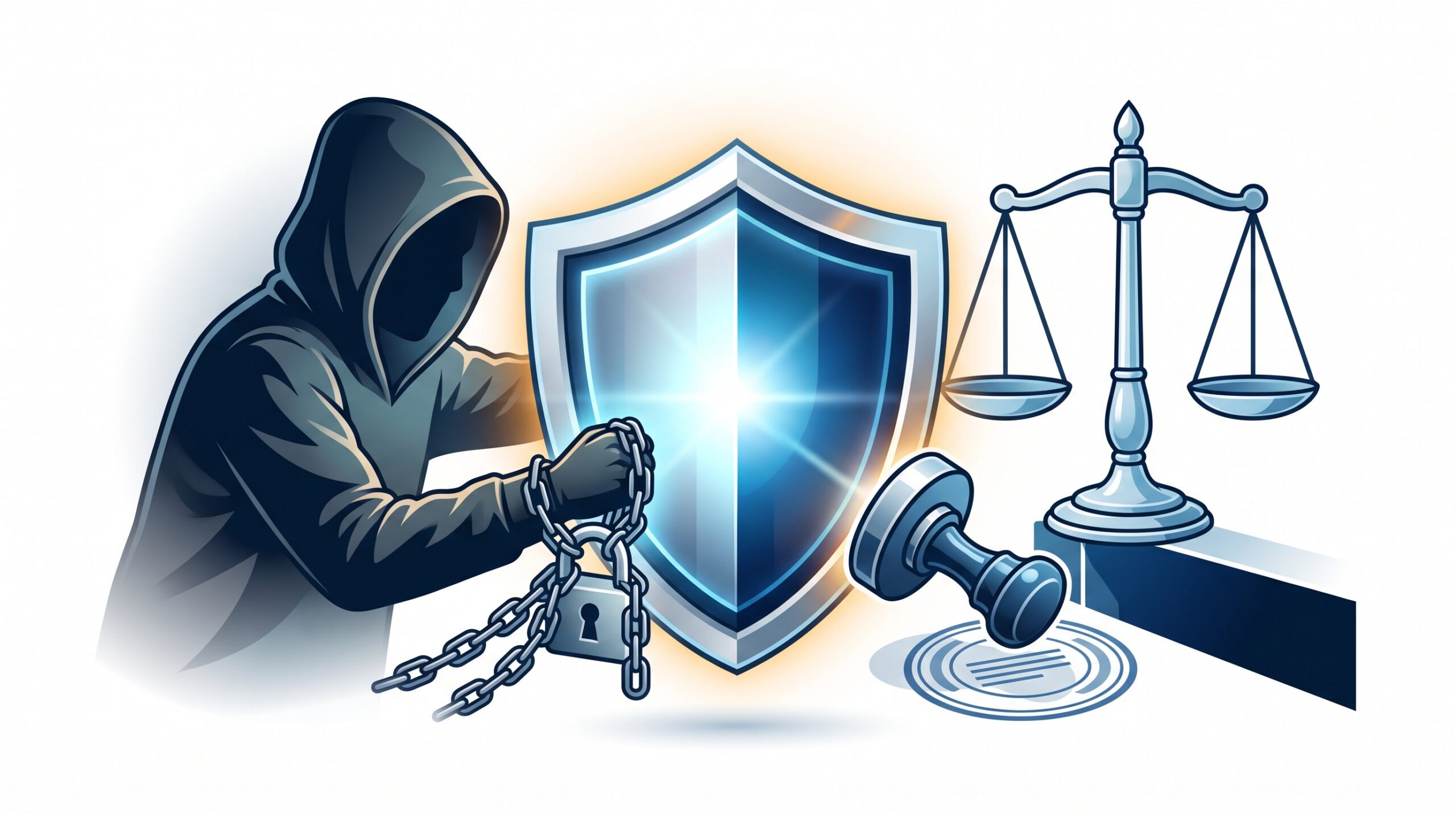
Within a single week this October, two very different dental practices served as cautionary tales. A multi-location family dentistry group in North Carolina turned up on a ransomware crew’s leak site, its patient records allegedly among 20 gigabytes of stolen data. Days earlier, a Pennsylvania dental practice agreed to pay $140,000 to the U.S. Department of Health and Human Services to settle a HIPAA case. The two incidents share no attacker, no vulnerability, and no common thread — except the one every practice owner should take to heart: a dental office can be hurt by the criminal and by the regulator, and defending against one does nothing to defend against the other.
Incident one: a dental group on a ransomware leak site
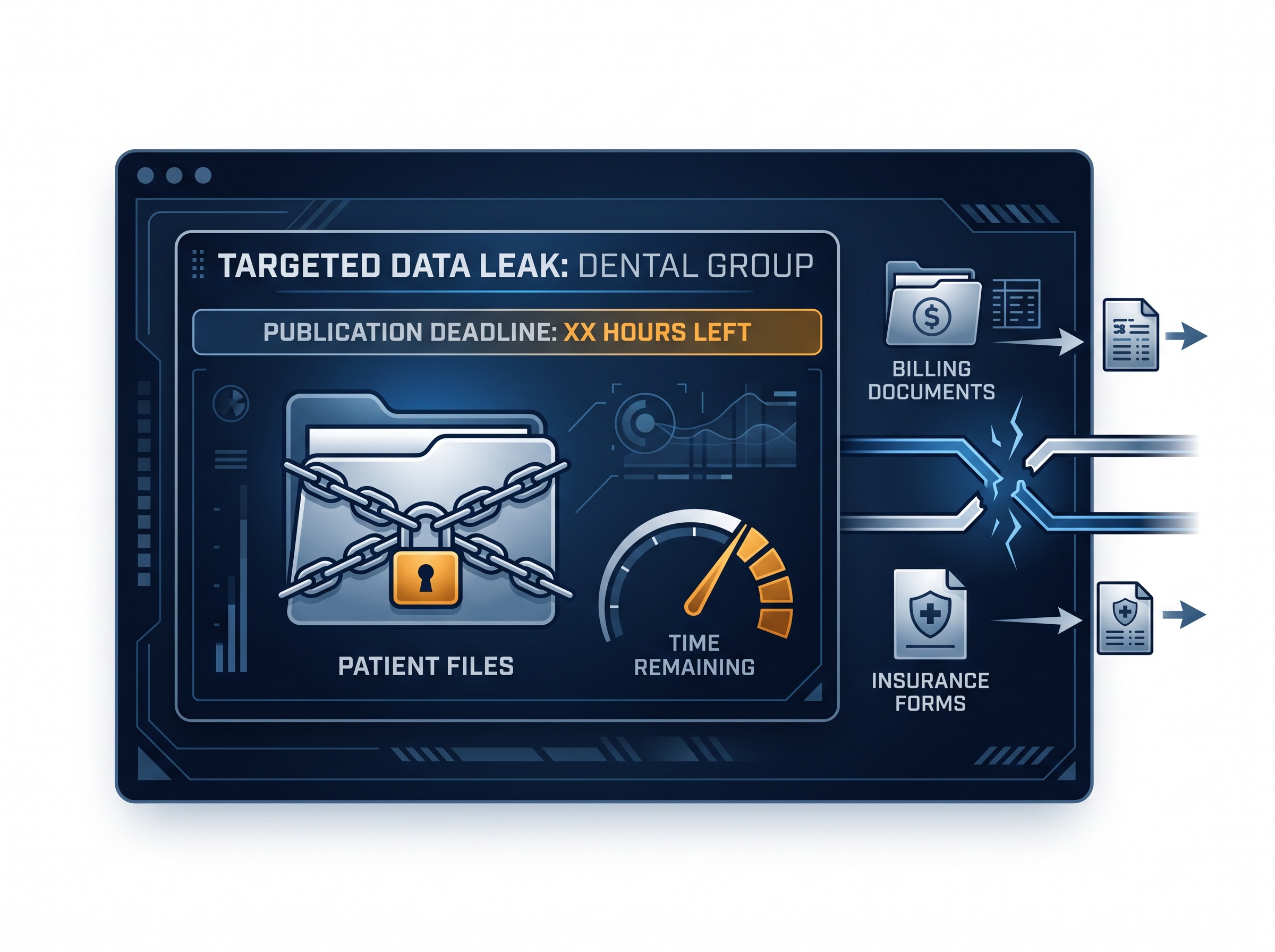
According to reporting from ClassAction.org, O2 Dental Group — a six-location family dentistry practice in North Carolina — may have suffered a data breach. An October 5, 2026 post on a dark-web monitoring site attributed the attack to the ransomware group Interlock, which claimed the incident compromised patient health records, billing and insurance documents, and authorization forms, with a separate monitoring service reporting a claim of roughly 20 gigabytes of data. It is important to be precise here: at the time of writing these are the attackers’ claims as surfaced by monitoring sites, and the practice has not publicly confirmed the scope or nature of the incident. Claims on leak sites are sometimes exaggerated to pressure a payment.
But the pattern is familiar and it does not depend on the exact numbers. Ransomware crews now routinely steal data before they encrypt it, then post a listing naming the victim to force a decision. By the time a practice sees its name on a leak site, the exposure has usually already happened. We walked through how this plays out when a single compromised account exposed tens of thousands of patients at another dental practice — and the entry points are mundane: a reused password, a phishing email, or a remote-access tool left exposed.
Incident two: a $140,000 penalty with no hacker involved
The second case is the one that surprises people. As the HIPAA Journal reports, the owner of a Pennsylvania dental practice agreed to pay $140,000 to HHS’s Office for Civil Rights — the 56th financial penalty under OCR’s Right of Access enforcement initiative. The trigger was not a breach at all. It began with a complaint that the practice had failed to provide a patient a copy of their records despite repeated requests. When investigators asked for the practice’s policies and procedures, the documentation could not be produced; the practice stated the relevant records had been stolen by a staff member, and when asked for its breach-notification policies and any notifications issued over that theft, the answer was “none.”
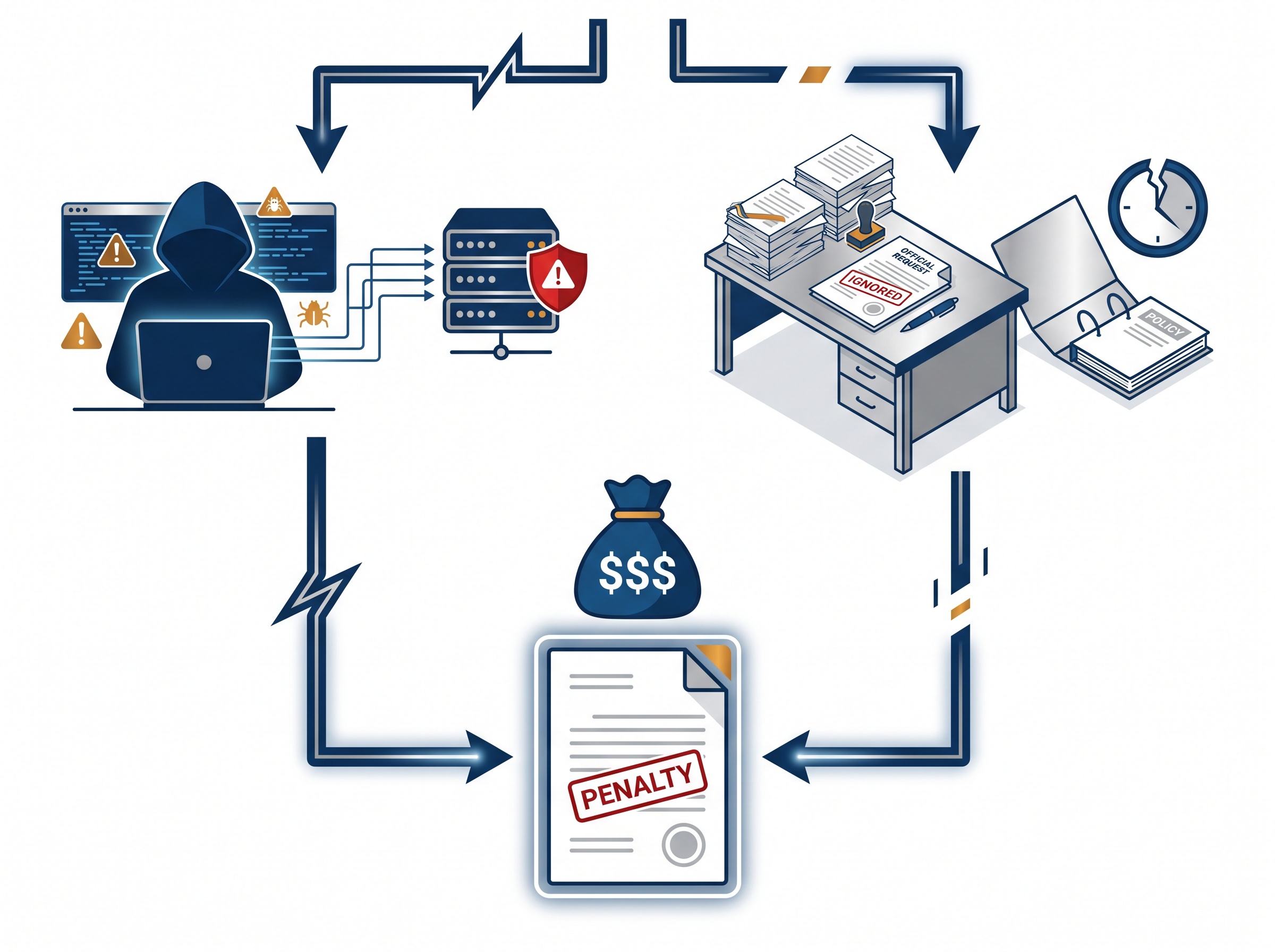
That is the quiet lesson buried in the headline. A regulator can penalize a dental practice heavily for ordinary administrative failures — not answering a patient’s request for their own records, not having written policies, not having a breach-notification process — entirely separate from whether anyone was ever hacked. Security protects you from the attacker. Compliance protects you from the regulator. You need both, and they are not the same work.
Why this matters for a practice in Ontario, not just the U.S.
These two cases are American, but the obligations they illustrate map directly onto Ontario and the rest of Canada. Under PHIPA, a dental practice is a health-information custodian: patients have a right to access their records, and the practice must notify affected individuals — and, at the first reasonable opportunity, the Information and Privacy Commissioner of Ontario — when personal health information is stolen, lost, or used or disclosed without authority. A ransomware crew copying your patient files is exactly that kind of event. The dollar figures differ across borders; the duty to protect patient data, produce it when a patient asks, and report when it is breached does not.
What your practice should do now
Treat the pair of stories as a checklist covering both fronts — keeping the attacker out, and being able to prove you handled patient data properly.
- Close the common entry points. Enforce multi-factor authentication on every account that touches patient data, retire reused and shared passwords, and lock down remote access. Attackers increasingly ride in through legitimate tools — we covered how remote-management software gets turned against a practice — so inventory what is installed and remove what you do not use.
- Segment the network. The imaging server, the practice-management database, the front-desk workstations, and any guest Wi-Fi should not all sit on one flat network where a single compromised PC can reach everything. Segmentation limits how far an intruder — or ransomware — can spread.
- Make recovery something you own. A clean, offline, immutable and air-gapped backup covering both your practice-management data and your imaging is the only ransomware exit you fully control — and the only way to say no to a ransom with confidence.
- Write the policies the regulator expects to see. Have documented procedures for patient records-access requests, for administrative safeguards over who can use and disclose patient data, and for breach notification. The Pennsylvania case turned a records dispute into a six-figure penalty precisely because those documents did not exist.
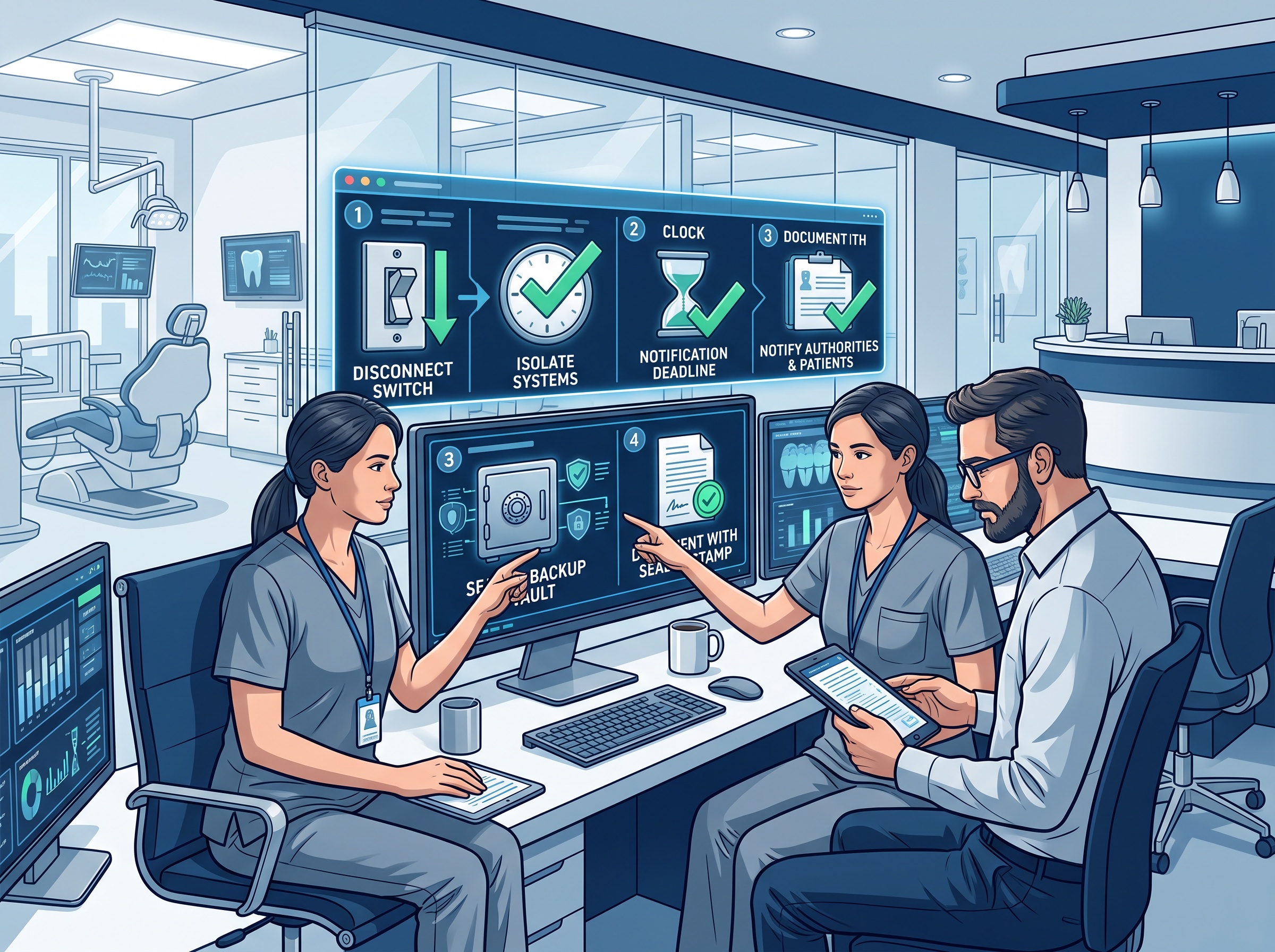
- Rehearse the incident-response plan. Decide in advance who declares an incident, who isolates systems, how you preserve evidence, how the front desk keeps running, and crucially who notifies whom and by when. A plan practised before the bad night is the difference between an orderly response and an improvised one.
Security and compliance are one project
It is tempting to file “cybersecurity” and “HIPAA/PHIPA compliance” in separate drawers — one for the IT company, one for the lawyer. These two October cases show why that split is a trap. The same patient record that an Interlock-style crew wants to steal is the record a patient has a legal right to receive and that you are legally obligated to protect and, if breached, to report. Lock it down and you have done the security half. Be able to produce it, document how you guard it, and notify properly when something goes wrong, and you have done the compliance half. Skip either and one of these two stories becomes yours.
How Compudent Systems can help
At Compudent Systems, we help dental practices across the GTA and Ontario tackle both fronts at once. On the security side we deploy multi-factor authentication, network segmentation, and immutable, air-gapped backups that cover your imaging as well as your practice-management data. On the compliance side we help you build the records-access, safeguard, and breach-notification policies PHIPA expects, and a rehearsed incident-response plan so a bad night follows a script instead of panic. Contact Compudent Systems for a combined security and compliance assessment — so neither the attacker nor the regulator catches your practice unprepared.

Sources & further reading:
- O2 Dental Group Data Breach? Attorneys Investigate Hackers’ Claims — ClassAction.org
- Shen Smiles Pays $140,000 to Resolve HIPAA Privacy Rule Violations — HIPAA Journal