




February 20, 2026 Revolutionary Digital Dentistry Technologies Transform Patient Care in 2025
The dental industry experienced unprecedented technological advancement in 2025, with digital innovations revolutionizing everything from diagnostic procedures to treatment delivery. According to the American Dental Association, clinics adopting advanced dental technology reported a remarkable 40% improvement in procedural accuracy and a 30% reduction in patient wait times.
The Digital Transformation Accelerates
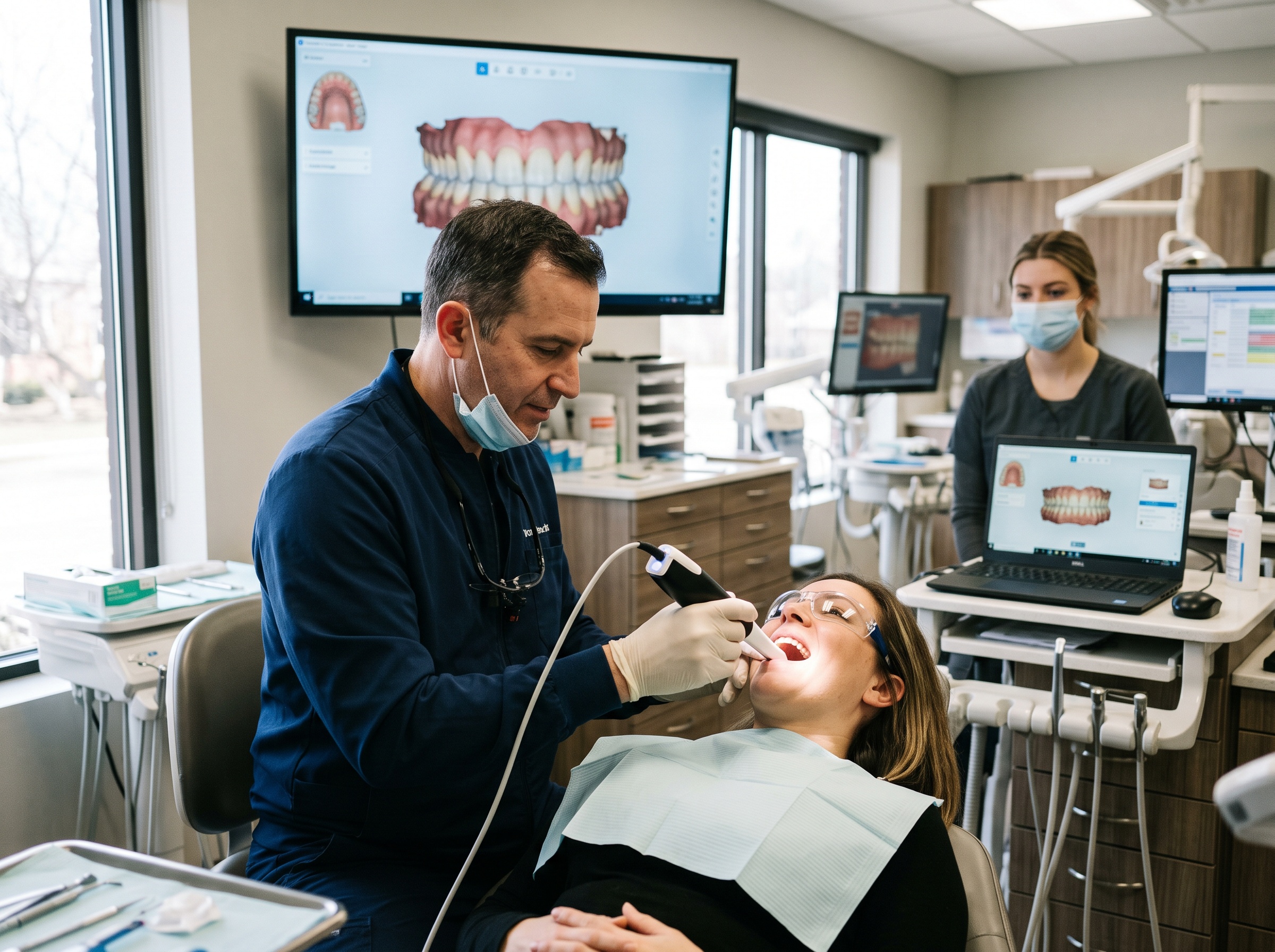
Digital dentistry has moved beyond experimental phases into mainstream adoption, with CAD/CAM systems, 3D printing, digital radiography, and laser dentistry becoming standard equipment in modern dental practices. This technological integration has fundamentally altered how dental professionals approach patient care, offering unprecedented precision and efficiency.
Revolutionary Denture Manufacturing
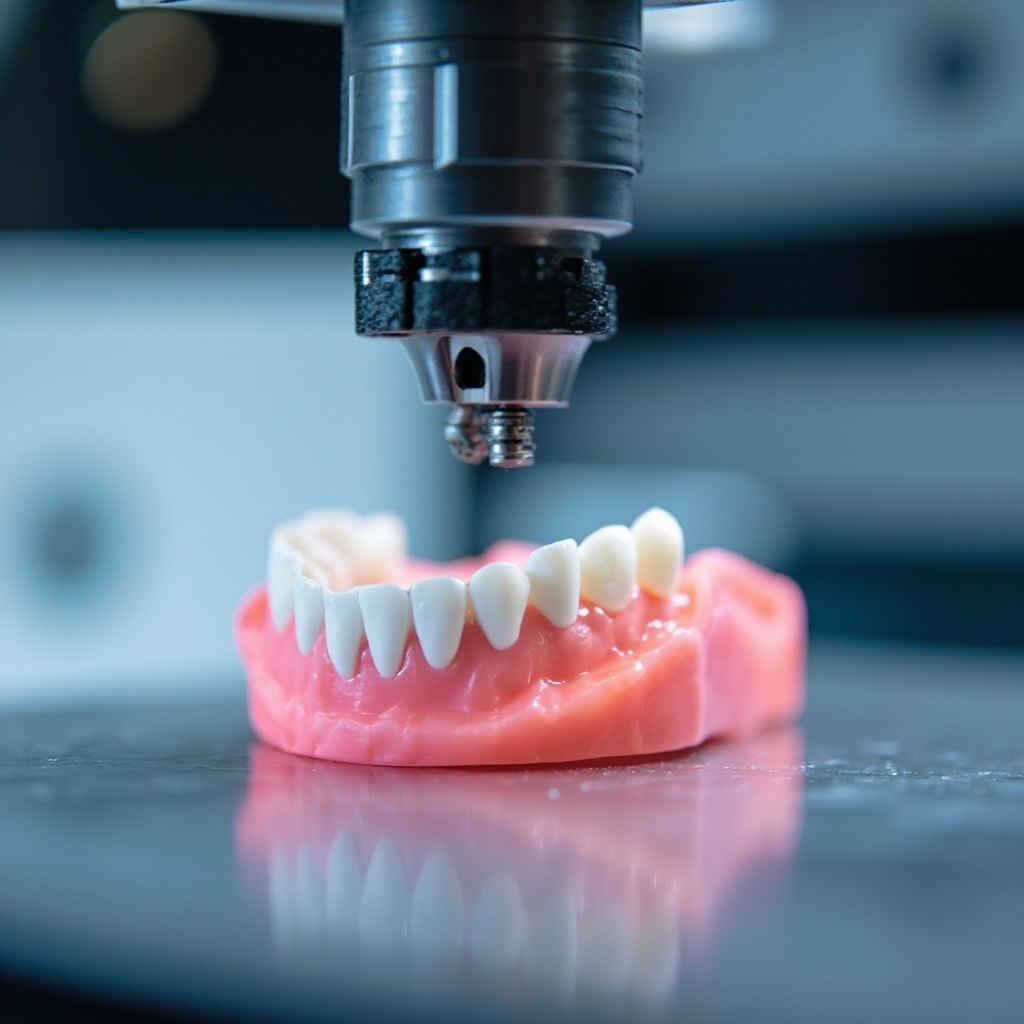
The digital denture market is experiencing explosive growth, with projections indicating it will reach $3.14 billion by 2035. The milling segment has emerged as the dominant force, capturing 55% of the market share in 2025. This growth is driven by precision manufacturing capabilities that produce superior-fitting prosthetics with remarkable consistency.
Breaking Production Barriers
Traditional denture manufacturing required up to five days for completion, but innovative digital workflows have compressed this timeline dramatically. Modern dental laboratories utilizing advanced 3D Systems technology report production speeds up to 300% faster than conventional methods, with over 50% reduction in manual labor requirements.
Josh Jakson from Evolve Dentistry highlights the transformation: “We’re running faster, with less labor and greater confidence in shade consistency and durability.” The new manufacturing processes allow dental labs to produce complete dentures in a single day, revolutionizing patient experience and practice efficiency.
Pain-Free Treatment Revolution
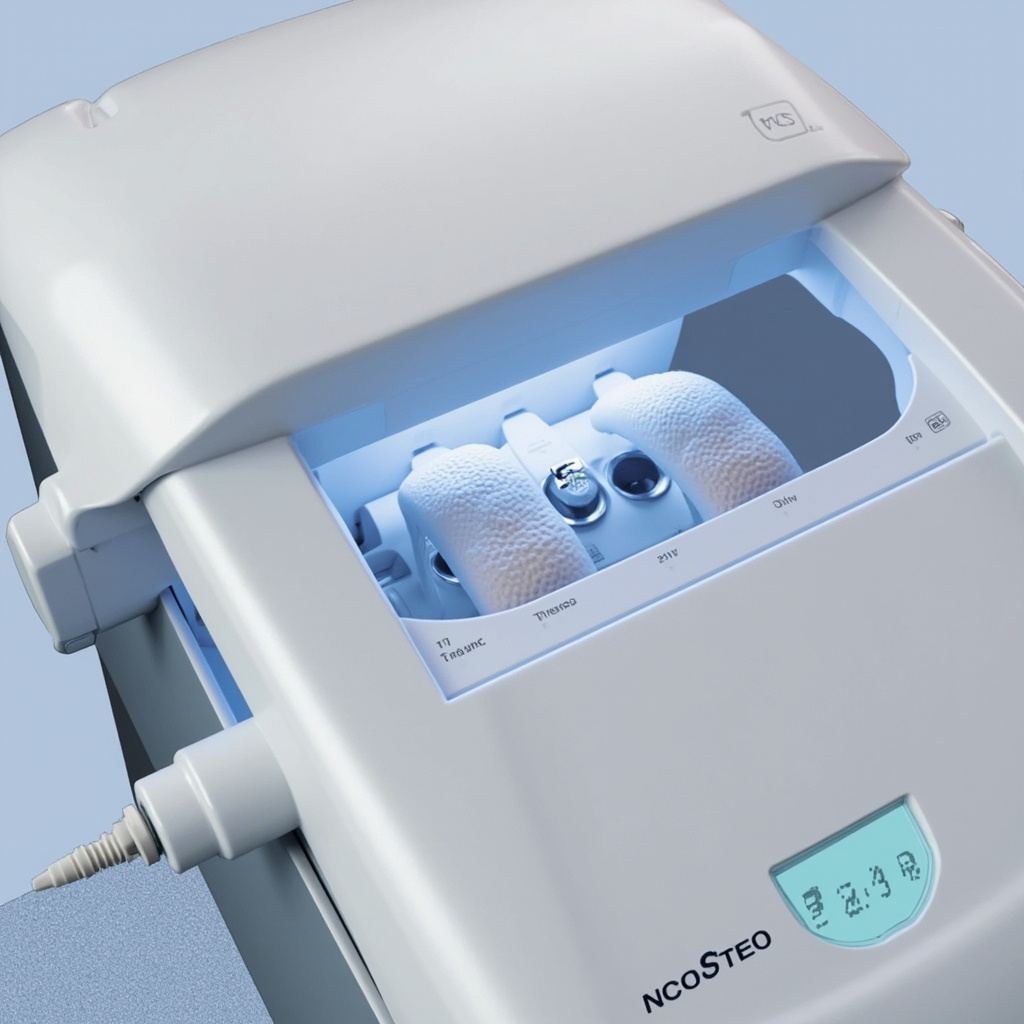
Patient comfort has reached new heights with breakthrough anesthesia technologies. VCS Medical’s FDA-approved DentalJect topical anesthetic delivery system represents a significant leap forward, utilizing cryogenic spray technology to numb oral mucosa in under two seconds. This innovation eliminates the discomfort and waiting periods associated with traditional topical anesthetics.
Expanding Aesthetic Options
Inclusivity has become a driving force in dental technology, with manufacturers expanding their product ranges to serve diverse patient populations. 3D Systems recently announced the expansion of NextDent denture base shades, providing more options for natural-looking prosthetics that match various skin tones and ethnicities.
Market Growth and Opportunities
The global dental market is projected to reach $87.1 billion by 2033, growing at a robust 5.8% CAGR. This expansion is fueled by:
- Technological advancement adoption across practices worldwide
- Aging population demographics driving demand for dental services
- Increased patient expectations for comfort and efficiency
- Precision manufacturing capabilities enabling better outcomes
The Future of Dental Care
Digital dentistry’s trajectory promises even more revolutionary changes ahead. As artificial intelligence integrates with diagnostic tools and treatment planning software, dental professionals will gain unprecedented insights into patient care optimization. The convergence of 3D printing, AI-driven treatment planning, and minimally invasive procedures points toward a future where dental care is faster, more accurate, and significantly more comfortable.
The transformation witnessed in 2025 represents just the beginning of digital dentistry’s potential. As these technologies mature and become more accessible, dental practices worldwide will continue to benefit from improved patient outcomes, operational efficiency, and treatment precision. For dental professionals, embracing these innovations isn’t just an option—it’s essential for delivering the high-quality care patients increasingly demand and expect.