




July 24, 2026 1-800-Dentist Hit by Qilin Ransomware Claim: What It Means for Your Practice
A ransomware crew has put another familiar name on its extortion board — and this one sits squarely inside the dental world. Around June 28, 2026, the Qilin ransomware gang listed 1-800-Dentist, the well-known US nationwide dental referral and B2B marketing company based in Los Angeles, on its dark-web data-leak site. Qilin claims to have stolen sensitive data and is threatening to publish it unless a ransom is paid. As reported by Cybernews and Dentistry Today, this remains a claim at the time of writing — the company has not publicly confirmed the scope of any breach. But whether or not the full details hold up, the incident is a clear signal for every dental practice: if an organization adjacent to dentistry can be targeted, so can you.
Who Is Qilin — and Why This Matters
Qilin is a Russian-linked ransomware-as-a-service (RaaS) operation. In the RaaS model, a core group builds and maintains the malware and the extortion infrastructure, then rents it to “affiliates” who carry out the actual intrusions and split the proceeds. The result is an industrialized criminal supply chain: attacks are no longer the work of lone hackers but of a coordinated, profit-driven business.
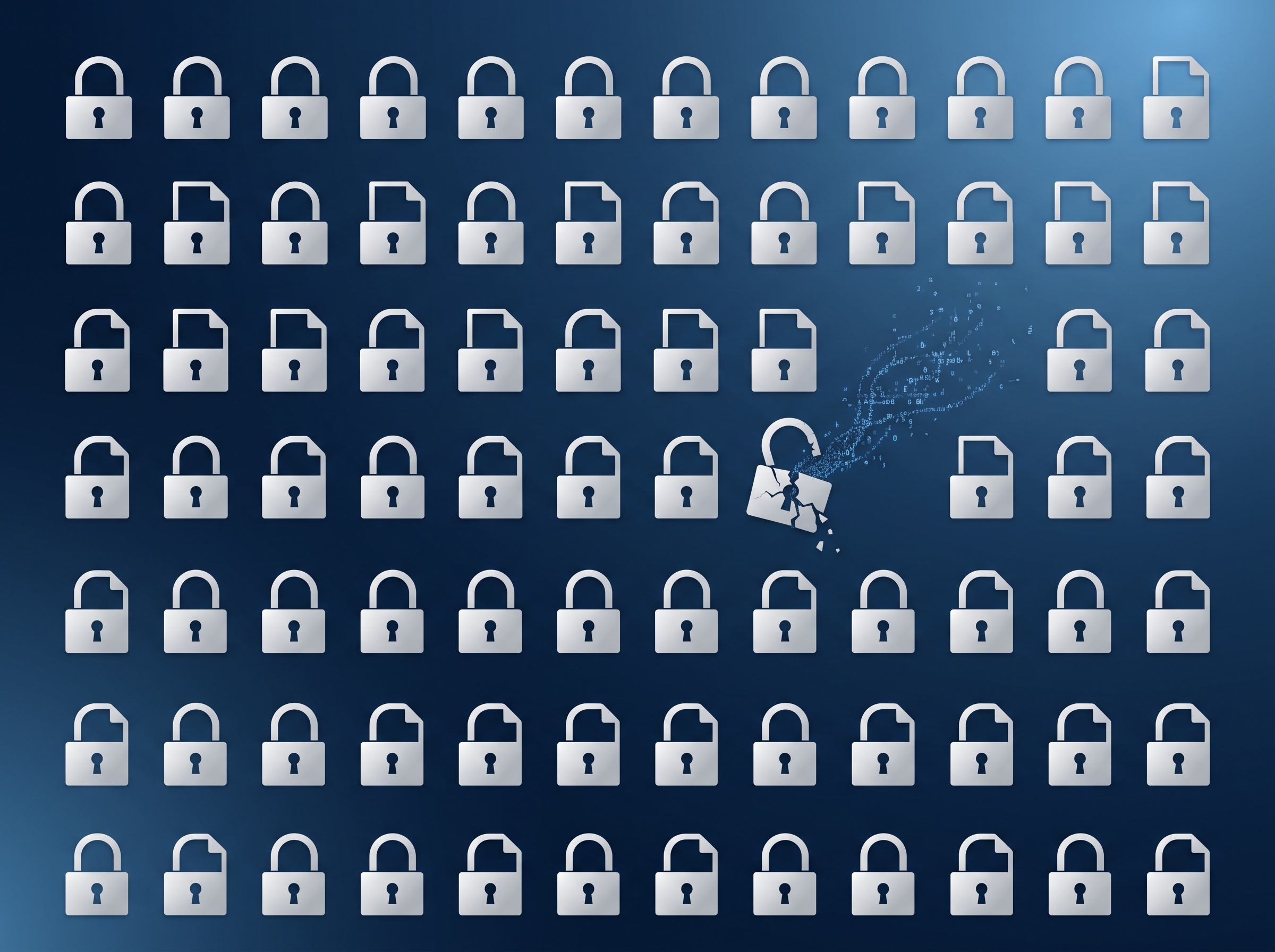
Qilin favours “double extortion.” Attackers first quietly exfiltrate data, then encrypt the victim’s systems. Even an organization with flawless backups still faces a second threat — the public release of stolen files. That is exactly the leverage Qilin is applying to 1-800-Dentist: pay, or the data gets published.
The Data Behind a Referral Service
It is tempting to think a referral and marketing company is not a “real” healthcare target. That instinct is wrong. Organizations like 1-800-Dentist sit on a rich pool of patient-adjacent and business data: consumer contact details, appointment and inquiry records, marketing databases, and the commercial information of the many dental practices they serve.
For a dental practice, the lesson is twofold. First, the vendors and partners you rely on hold data about you and your patients. Second, your own systems — practice management software, imaging archives, and patient records — are an even richer prize. Attackers do not need a hospital-sized target to turn a profit; a single practice’s records and downtime are more than enough.
Assume You Are a Target — Regardless of Size
The most damaging myth in dental IT is “we’re too small to be worth attacking.” RaaS economics flip that logic on its head. Automated tooling lets affiliates scan and compromise thousands of small and mid-sized organizations at once, and smaller practices often have weaker defences, making them faster and cheaper to breach.
Downtime alone can be devastating: an encrypted practice-management system can halt scheduling, billing, and access to clinical imaging for days. Add the regulatory and reputational fallout of exposed patient information, and a single incident can threaten the viability of a practice. The right mindset is simple — assume you are already on someone’s list, and build accordingly.
Your Ransomware Defence Checklist
Resilience against ransomware is not one product; it is a set of layered, tested controls. Here is the practical foundation every dental practice should have in place:
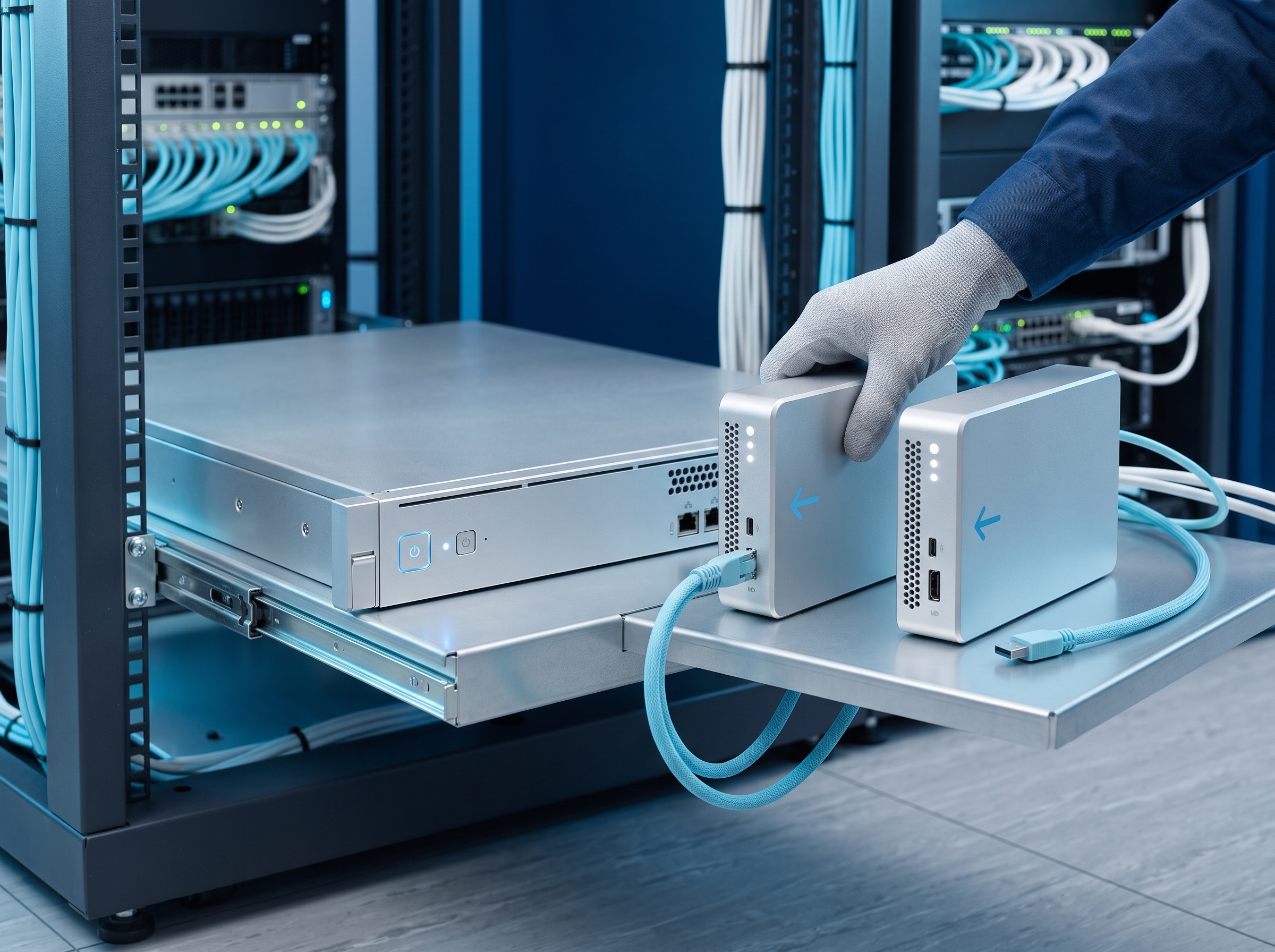
- Offline and immutable backups: Keep at least one backup copy that cannot be altered or deleted by an attacker who has reached your network. Follow a 3-2-1 approach — three copies, two media types, one off-site.
- Tested restores: A backup you have never restored is a hope, not a plan. Run periodic recovery drills and confirm how long a full restore actually takes.
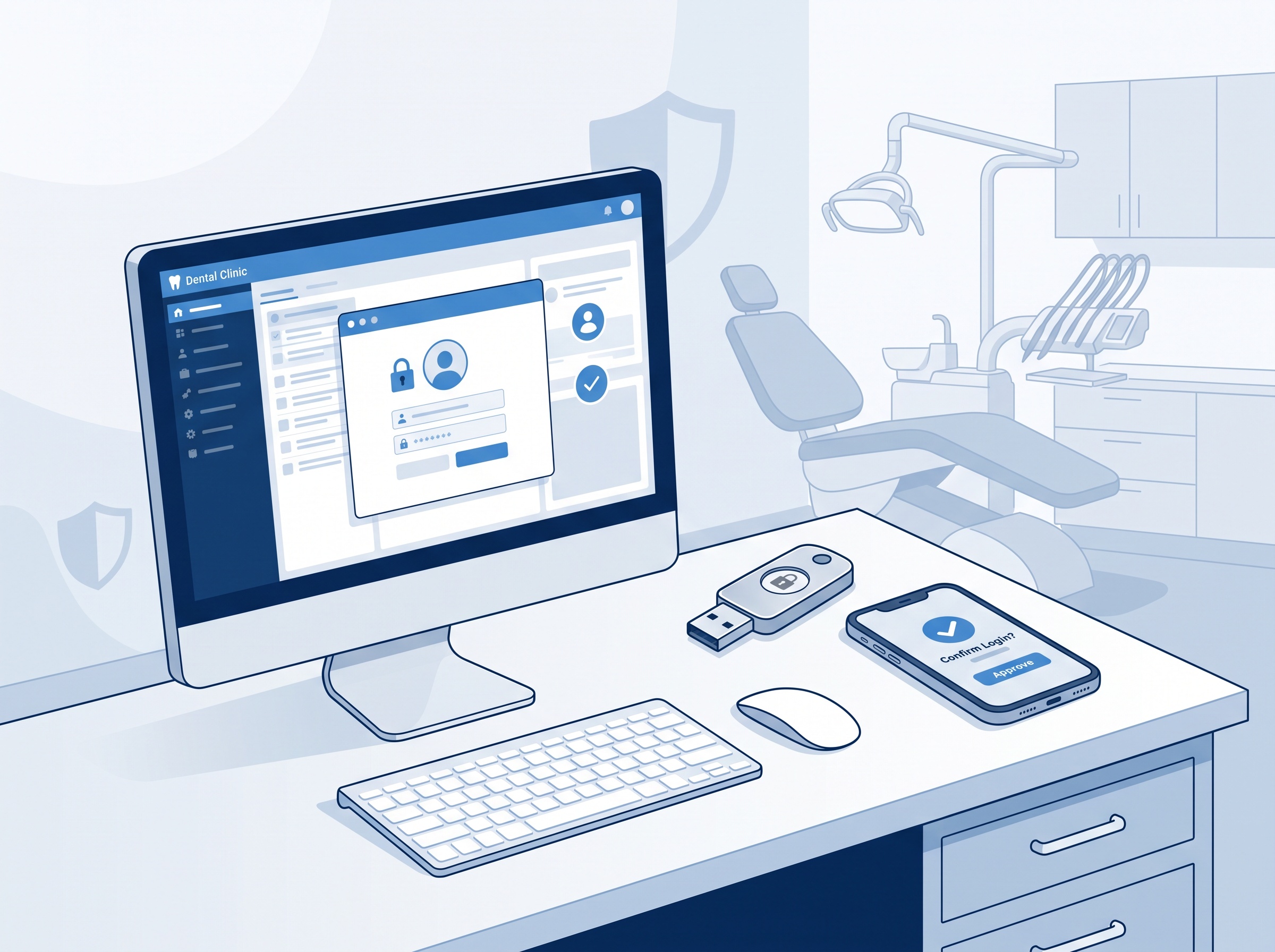
- MFA and passkeys: Stolen or reused passwords open the door to most intrusions. Enforce multi-factor authentication — ideally phishing-resistant passkeys — on email, remote access, and practice software.
- Patch management: Keep operating systems, imaging software, and firmware current. Unpatched vulnerabilities are a favourite entry point.
- Endpoint protection: Deploy modern endpoint detection and response (EDR) across every workstation and server, not just basic antivirus.
- Network segmentation: Separate clinical systems, imaging devices, guest Wi-Fi, and administrative machines so a single compromised device cannot reach everything.
People, Plans, and Vendors
Technology is only part of the picture. The human and procedural layers are just as important, and they are where many practices fall short.
- Staff phishing awareness: Most attacks begin with a convincing email. Regular, practical training — and simulated phishing tests — turn your team into a first line of defence rather than a weak point.
- Incident-response plan: Decide in advance who to call, how to isolate systems, and how to keep the practice running on paper if needed. A written, rehearsed plan saves precious hours during a real event.
- Vendor due diligence: The 1-800-Dentist claim is fundamentally a third-party risk story. Ask your software providers, billing services, and marketing partners how they protect data, how they back it up, and how they would notify you of a breach.
Breach-Notification Readiness in Canada
If patient information is exposed, Canadian dental practices have legal obligations. Under Ontario’s Personal Health Information Protection Act (PHIPA) — and equivalent privacy legislation elsewhere — practices are generally required to notify affected individuals and, in many cases, the Information and Privacy Commissioner when personal health information is lost, stolen, or accessed without authorization. Practices with US ties or patients may also face HIPAA breach-notification duties.
Being ready means knowing today what data you hold, where it lives, and what your reporting steps would be — not scrambling to figure it out during a live incident. Documented processes, clear timelines, and a designated privacy contact make the difference between a controlled response and a compliance crisis.

Turn the Alarm Into Action
The alleged Qilin attack on 1-800-Dentist is a reminder, not an outlier. Ransomware is now an industrialized business, dental data is a valuable commodity, and no practice is too small to be targeted. The good news is that the defences that matter most — strong backups, MFA, patching, segmentation, trained staff, and a tested response plan — are achievable for a practice of any size with the right partner.
Compudent Systems specializes in IT systems and dental and medical imaging for dental practices across the GTA, Ontario, and beyond. If this news has you wondering whether your practice could withstand a similar attack, we can help you find out. Reach out to Compudent Systems for a security assessment and practical support in hardening your network, backups, and patient-data protection — before an attacker tests them for you.
Sources & further reading:
- 1-800-Dentist hit by Qilin breach claim as hackers threaten to leak health data of millions — Cybernews
- Ransomware Group Claims Alleged Attack on 1-800-Dentist — Dentistry Today