




May 3, 2026 2026 Medical Device Cybersecurity Crisis: 24% of Healthcare Organizations Hit by Device Attacks Impacting Patient Care
A new cybersecurity report has revealed alarming statistics about the vulnerability of medical devices in healthcare organizations, with significant implications for dental practices using AI-enabled diagnostic and imaging equipment. The 2026 Medical Device Cybersecurity Index from RunSafe Security shows that attacks on medical devices are not only increasing in frequency but also causing substantial disruptions to patient care.
Staggering Attack Statistics Reveal Growing Threat
According to the comprehensive survey of 551 healthcare professionals across the United States, United Kingdom, and Germany, 24% of healthcare organizations experienced cyber-attacks specifically targeting medical devices within the past year. More concerning is that 80% of these attacks had a “moderate” or “significant” impact on patient care, ranging from delayed imaging procedures to interruptions in critical care delivery.
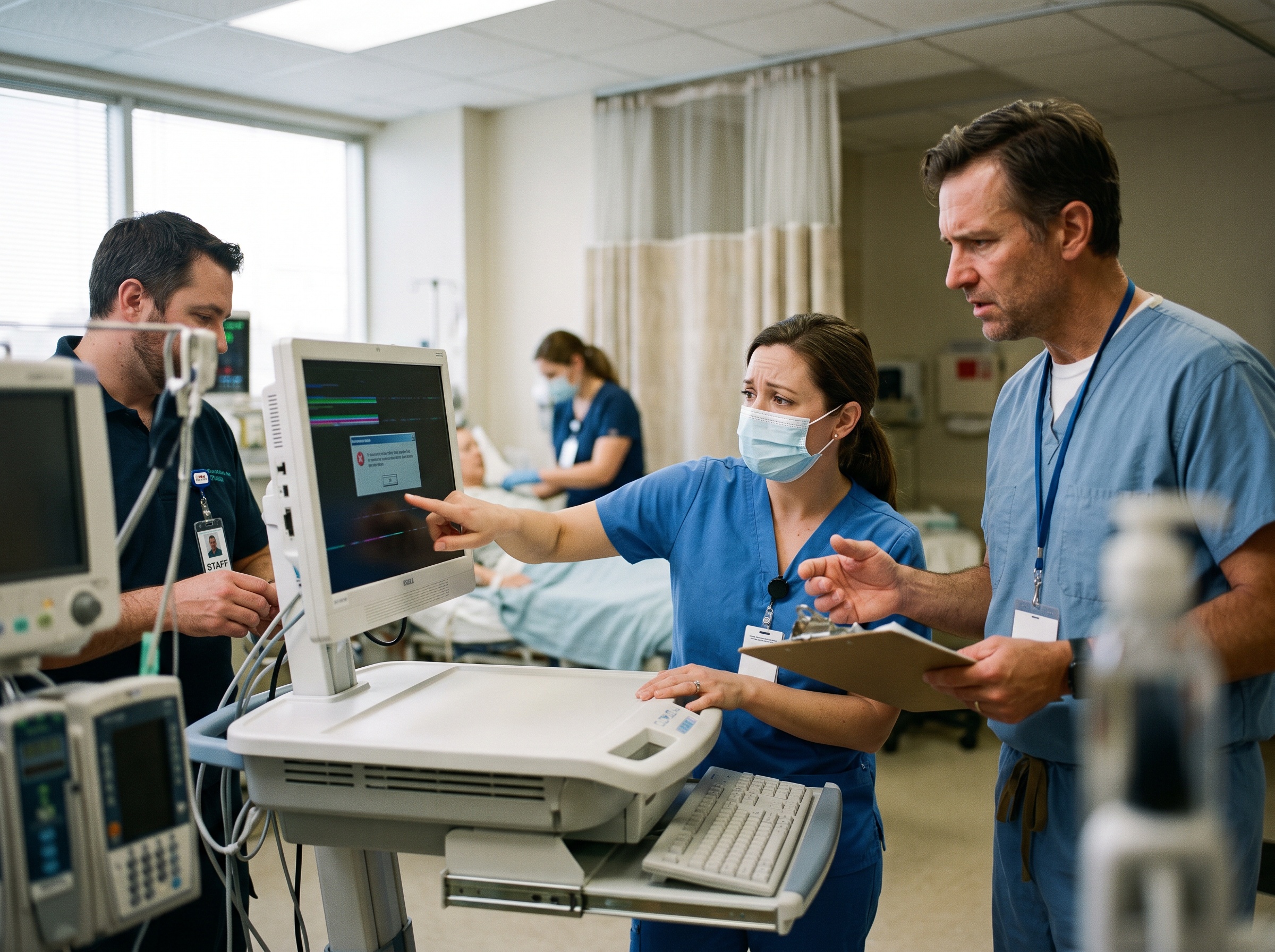

For dental practices, these findings are particularly relevant as the industry increasingly adopts AI-powered imaging systems, digital radiography equipment, and connected diagnostic tools. The same vulnerabilities affecting hospital medical devices can compromise dental imaging systems, patient management software, and networked diagnostic equipment.
Legacy Equipment Creates Critical Security Gaps
The report identified legacy medical equipment as a major vulnerability vector. Over 44% of surveyed organizations admitted to using devices with known, unpatched security vulnerabilities, while 28% operate devices that have reached end-of-support status from their manufacturers.
This situation is endemic across dental practices, where expensive imaging equipment like CBCT scanners, digital radiography systems, and practice management servers often remain in service for many years beyond their initial cybersecurity support lifecycle. The financial pressure to maximize equipment ROI can leave practices vulnerable to emerging threats.
AI-Enabled Medical Devices Present New Attack Vectors
The report highlighted a concerning trend: 57% of organizations have adopted AI-enabled or AI-assisted medical systems, yet 80% express moderate to high concern about the cybersecurity risks associated with these technologies. AI medical devices introduce unique vulnerabilities including model manipulation, adversarial inputs, and data integrity compromises that traditional security measures may not adequately address.

Dental practices implementing AI diagnostic tools for radiographic analysis, treatment planning software, or patient risk assessment algorithms must consider these emerging attack vectors. Malicious actors could potentially manipulate AI models to provide incorrect diagnoses or compromise patient data through AI system vulnerabilities.
Attack Types and Their Impact on Healthcare Delivery
The survey revealed specific attack patterns affecting medical devices. Malware infections requiring device quarantine were the most common incident type at 48%, followed by network intrusions necessitating device isolation at 41%. Remote access exploitation emerged as a significant threat at 38%, representing a notable shift in attacker tactics as they increasingly target the expanding remote access footprint of connected devices.
Ransomware attacks affecting device operation and vendor-identified vulnerabilities requiring urgent patching each impacted 32% of organizations. Data exfiltration from connected devices affected 21% of survey respondents, while supply chain compromises accounted for 18% of incidents.
Procurement Standards Tightening in Response to Threats
Healthcare organizations are responding to these threats by implementing more stringent cybersecurity requirements in their procurement processes. The survey found that 56% of respondents rejected medical devices during procurement due to cybersecurity concerns, up from 46% in the previous year.
Additionally, 84% of organizations now include cybersecurity requirements in vendor requests for proposals (RFPs), and 76% indicate willingness to pay premium prices for advanced security protection. Some 82% have deployed or are actively piloting runtime exploit protection technologies.
Critical Recommendations for Dental Practice Security
Based on these findings, dental practices should immediately assess their medical device cybersecurity posture. Key recommendations include:
- Inventory all connected devices: Document every networked piece of equipment including imaging systems, practice management servers, and diagnostic tools.
- Implement network segmentation: Isolate medical devices on separate network segments to limit attack propagation.
- Establish patch management protocols: Create systematic processes for applying security updates to all connected systems.
- Develop incident response procedures: Prepare specific protocols for medical device compromises that prioritize patient safety.
- Enhance vendor security requirements: Include cybersecurity assessments in all equipment procurement decisions.
- Deploy monitoring solutions: Implement network monitoring to detect unusual device behavior or potential breaches.
The 2026 Medical Device Cybersecurity Index underscores an urgent need for healthcare organizations, including dental practices, to treat medical device security as a patient safety imperative rather than merely a technical consideration. As attackers increasingly target healthcare infrastructure, practices that proactively address these vulnerabilities will be better positioned to protect both their operations and their patients.