


February 22, 2026 Ransomware Strikes Dental Practices: Bluefish Attack Shows Critical Vulnerabilities
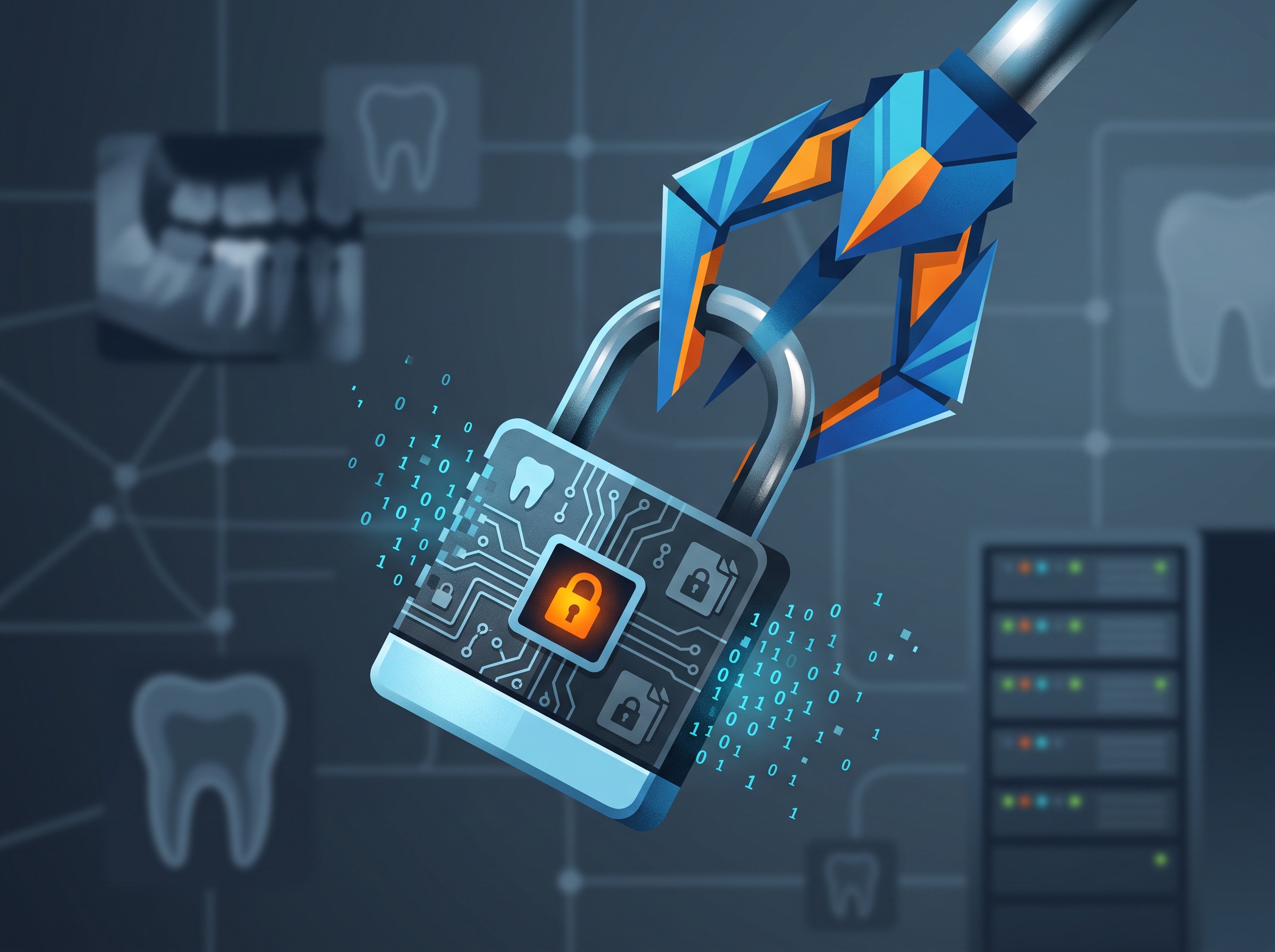
The recent ransomware attack on Bluefish Dental & Orthodontics serves as a stark warning to dental practices across North America. This sophisticated attack, attributed to the Qilin ransomware group, demonstrates the escalating cybersecurity threats facing healthcare providers in 2026.
The Bluefish Attack: A Case Study
Bluefish Dental & Orthodontics fell victim to a devastating ransomware attack that combined data encryption with potential extortion tactics. The Qilin group not only locked access to critical systems but also threatened to release sensitive patient information.

- Attack Vector: Sophisticated multi-stage infiltration targeting healthcare vulnerabilities
- Data Compromised: Patient records, financial information, and operational data
- Business Impact: Practice operations severely disrupted, appointments cancelled
- Patient Risk: Sensitive healthcare information potentially exposed
Understanding Modern Ransomware Tactics
The Qilin group represents a new generation of ransomware operators who employ double-extortion tactics:
Multi-Vector Attack Strategy
- Initial Access: Exploiting remote access vulnerabilities and phishing attacks
- Lateral Movement: Spreading through network systems to maximize damage
- Data Exfiltration: Stealing sensitive information before encryption
- System Encryption: Locking critical files and databases
- Extortion: Demanding payment to prevent data release
Dental Practice Vulnerabilities
Healthcare organizations face unique cybersecurity challenges that make them attractive targets:
- Legacy Systems: Older practice management software with security gaps
- Connected Devices: X-ray machines, intraoral cameras, and IoT devices with weak security
- Remote Access: COVID-19 drove increased remote access needs with insufficient security
- Limited IT Resources: Smaller practices often lack dedicated cybersecurity expertise
- Valuable Data: Patient records and financial information command high prices on dark web markets
Critical Security Measures
Protecting dental practices requires a comprehensive approach to cybersecurity:
Technical Safeguards
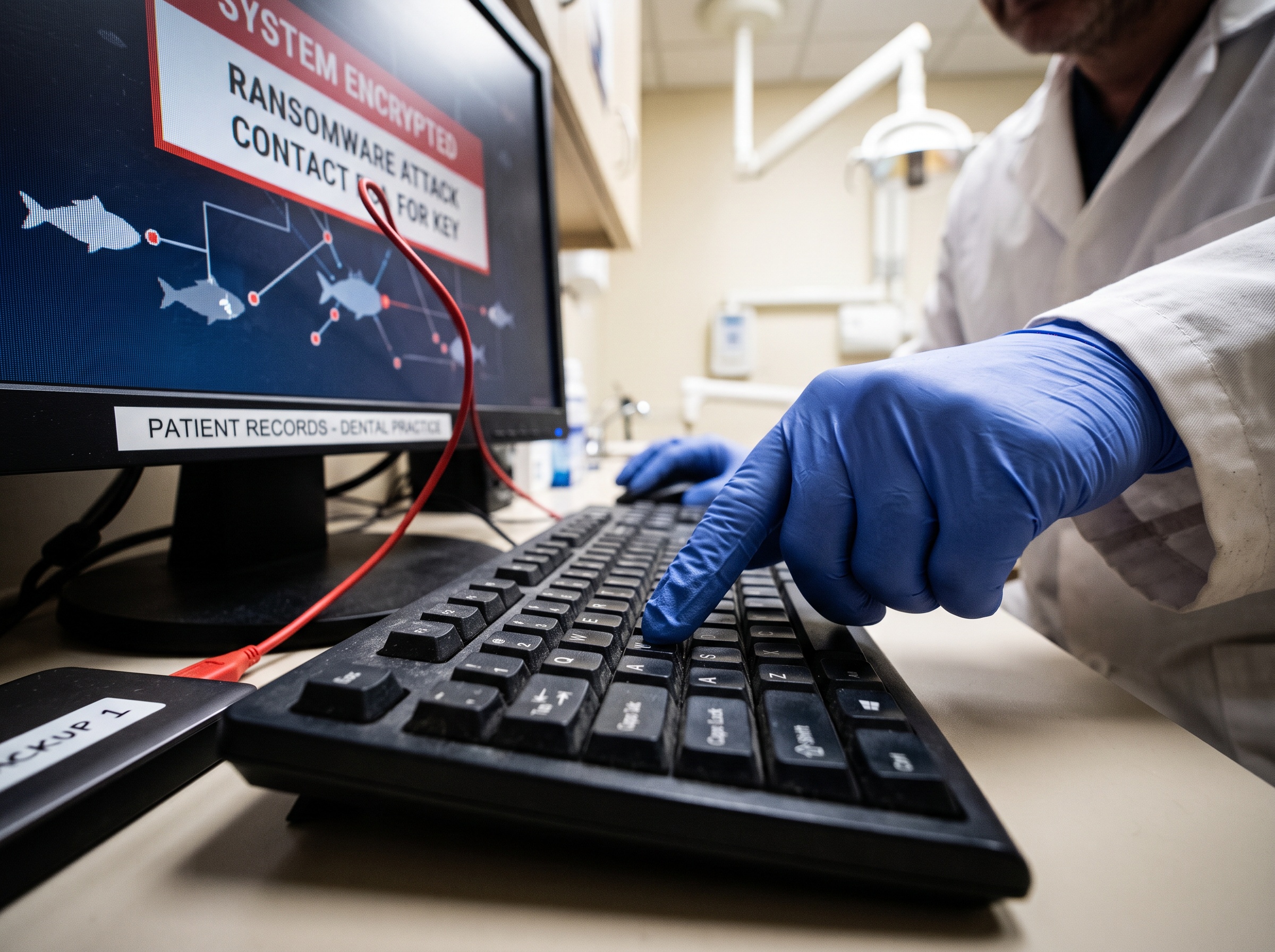
- Network Segmentation: Isolate critical systems from general network access
- Endpoint Detection: Advanced monitoring for suspicious activities
- Multi-Factor Authentication: Required for all system access
- Regular Patching: Keep all software and systems updated
- Backup Systems: Isolated, tested backup procedures for rapid recovery
Operational Security
- Staff Training: Regular cybersecurity awareness programs
- Access Controls: Limit system access based on job requirements
- Incident Response: Documented procedures for security breaches
- Vendor Management: Security requirements for all technology partners
Regulatory Compliance Considerations
Ransomware attacks on healthcare providers trigger multiple regulatory requirements:
- HIPAA breach notification obligations
- State data breach notification laws
- Professional licensing board requirements
- Insurance notification procedures
Recovery and Business Continuity
Successful recovery from ransomware attacks requires advance planning:
- Incident Response Team: Pre-identified internal and external resources
- Communication Plans: Patient notification and media response procedures
- Alternative Operations: Manual procedures for critical functions
- Legal Support: Specialized cybersecurity legal counsel
The Bluefish attack demonstrates that no dental practice is too small or too secure to be targeted. Proactive cybersecurity measures are now essential business requirements, not optional IT considerations.