




May 5, 2026 Critical Apache MINA Vulnerabilities Enable Remote Code Execution Attacks: Urgent Security Alert for Dental Practices
The Apache Software Foundation has issued urgent security updates to address two critical vulnerabilities in the Apache MINA framework that could enable remote code execution attacks. These flaws pose significant risks to dental practices using Java-based applications for patient management, imaging software, and other critical systems.
Understanding the Apache MINA Vulnerabilities
Apache MINA (Multipurpose Infrastructure for Network Applications) is a network application framework widely used in Java-based enterprise applications. The newly discovered vulnerabilities, particularly CVE-2026-42779, affect the framework’s AbstractIoBuffer.resolveClass() method and could allow attackers to execute arbitrary code on vulnerable systems.

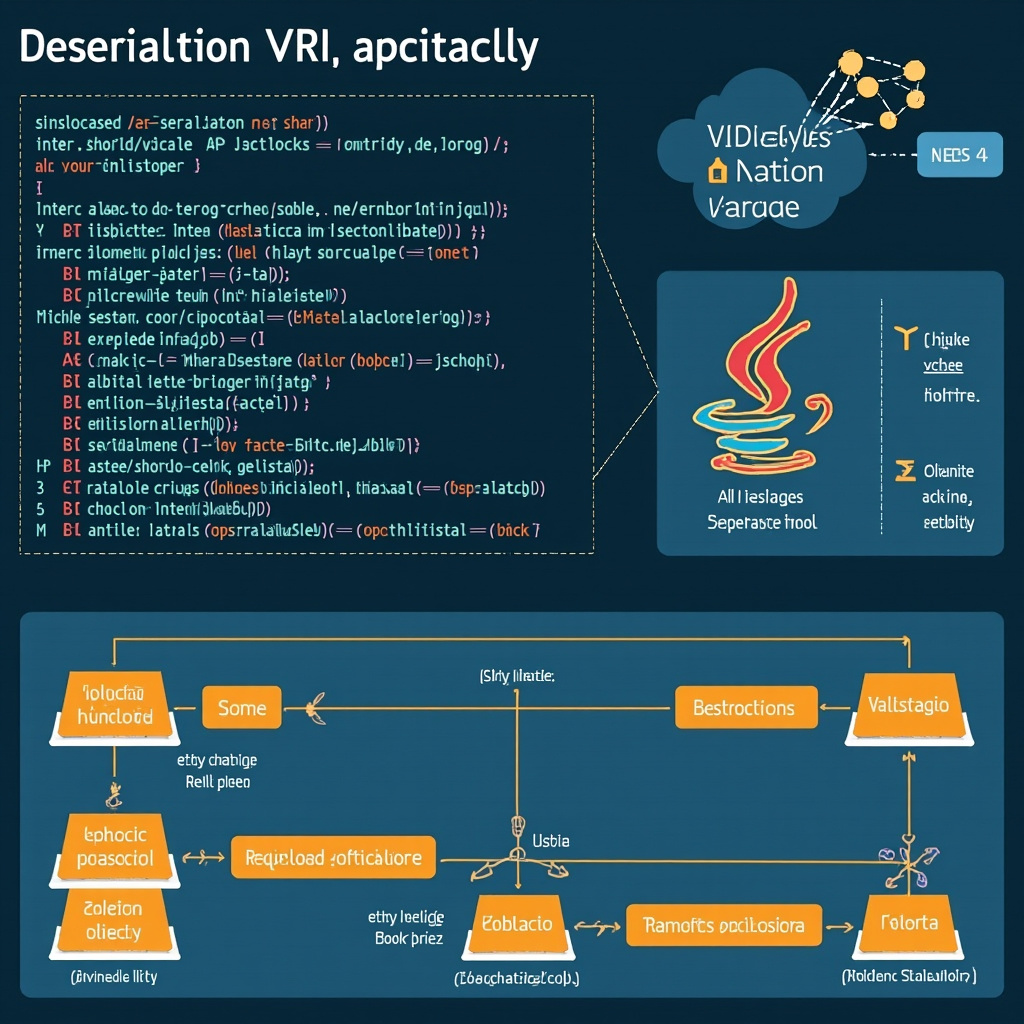
The vulnerability stems from a critical logic flaw that causes a specific programming branch to skip the necessary acceptMatchers filter, leading to unsafe object deserialization. This bypass mechanism enables attackers to send specially crafted serialized objects to vulnerable applications, potentially resulting in complete system compromise.
Impact on Dental Practice IT Infrastructure
Dental practices increasingly rely on Java-based applications for critical operations, making these Apache MINA vulnerabilities particularly concerning. Systems potentially at risk include:
- Practice Management Software: Many dental practice management systems utilize Java frameworks for backend operations
- Digital Imaging Systems: CBCT scanners, digital X-ray systems, and imaging software often incorporate Java components
- Network Infrastructure: Network monitoring tools, server management applications, and communication systems
- Patient Data Systems: Electronic health record systems and patient portal applications
A successful exploit could grant attackers complete control over affected systems, enabling data theft, system disruption, or deployment of additional malware. For dental practices handling sensitive patient information, this represents a severe threat to both operational continuity and HIPAA compliance.
Identifying Vulnerable Systems
Not every Apache MINA deployment is affected by these vulnerabilities. The security flaws specifically impact systems where:
- The application uses object serialization/deserialization functionality
- Network communications involve processing untrusted serialized data
- The acceptMatchers security filter isn’t properly implemented or configured
Dental practices should conduct immediate inventory of all Java-based applications and systems to identify potential exposure. Pay particular attention to practice management software, imaging systems, and any custom-developed applications that might utilize the Apache MINA framework.

Immediate Action Required
Dental practices must take immediate steps to address these critical vulnerabilities:
1. Emergency Patching
Contact all software vendors immediately to confirm whether their applications use Apache MINA and request emergency security updates. Prioritize patient-facing systems and those handling sensitive data.
2. Network Segmentation
Implement network segmentation to isolate potentially vulnerable Java applications from critical practice systems. This limits the potential impact if exploitation occurs before patches are available.
3. Enhanced Monitoring
Deploy additional network monitoring to detect unusual activity that might indicate exploitation attempts. Look for unexpected network connections, unusual CPU usage, or unauthorized data access.
4. Backup Verification
Verify that all critical patient data and system configurations are properly backed up and stored offline. In case of successful attack, having clean backups is essential for recovery.
Long-Term Security Improvements
This vulnerability highlights the importance of comprehensive cybersecurity planning for dental practices. Key improvements should include:
- Vendor Security Assessments: Require all software vendors to provide detailed security information about their applications and frameworks
- Regular Vulnerability Scanning: Implement automated vulnerability scanning to identify security issues before they can be exploited
- Security Incident Response Plan: Develop and test procedures for responding to security incidents and data breaches
- Staff Training: Ensure all team members understand cybersecurity best practices and can recognize potential threats
The Broader Cybersecurity Landscape
These Apache MINA vulnerabilities are part of a concerning trend of critical infrastructure vulnerabilities being discovered and actively exploited. Recent months have seen similar critical flaws in widely-used frameworks and applications, emphasizing the need for proactive security measures.
Dental practices can no longer treat cybersecurity as an optional consideration. With patient data protection requirements becoming increasingly stringent and cyber attacks growing more sophisticated, maintaining robust security posture is both a regulatory requirement and operational necessity.
Conclusion
The Apache MINA vulnerabilities represent a serious threat to dental practices using Java-based applications. Immediate action is required to identify potentially vulnerable systems, apply security updates, and implement protective measures.
Practices that haven’t already established comprehensive cybersecurity programs should use this incident as motivation to develop robust security policies and procedures. The cost of prevention is always lower than the cost of recovery from a successful cyber attack.
For assistance with vulnerability assessment, security updates, or comprehensive cybersecurity planning for your dental practice, contact Compudent Systems. Our team specializes in dental IT security and can help ensure your practice remains protected against evolving cyber threats.
Related Reading
- Critical Weaver E-cology CVE-2026-22679 Vulnerability: Urgent Security Alert for Dental Practices Using Enterprise Collaboration Platforms
- Critical Langflow AI Vulnerability Exploited Within 20 Hours: Urgent Security Alert for Dental Practices
- Critical FortiClient EMS Zero-Day CVE-2026-35616 Actively Exploited: Urgent Security Alert for Dental Practices