



April 25, 2026 Passwordless Revolution: How Dental Practices Should Prepare for FIDO2 Passkeys in 2026
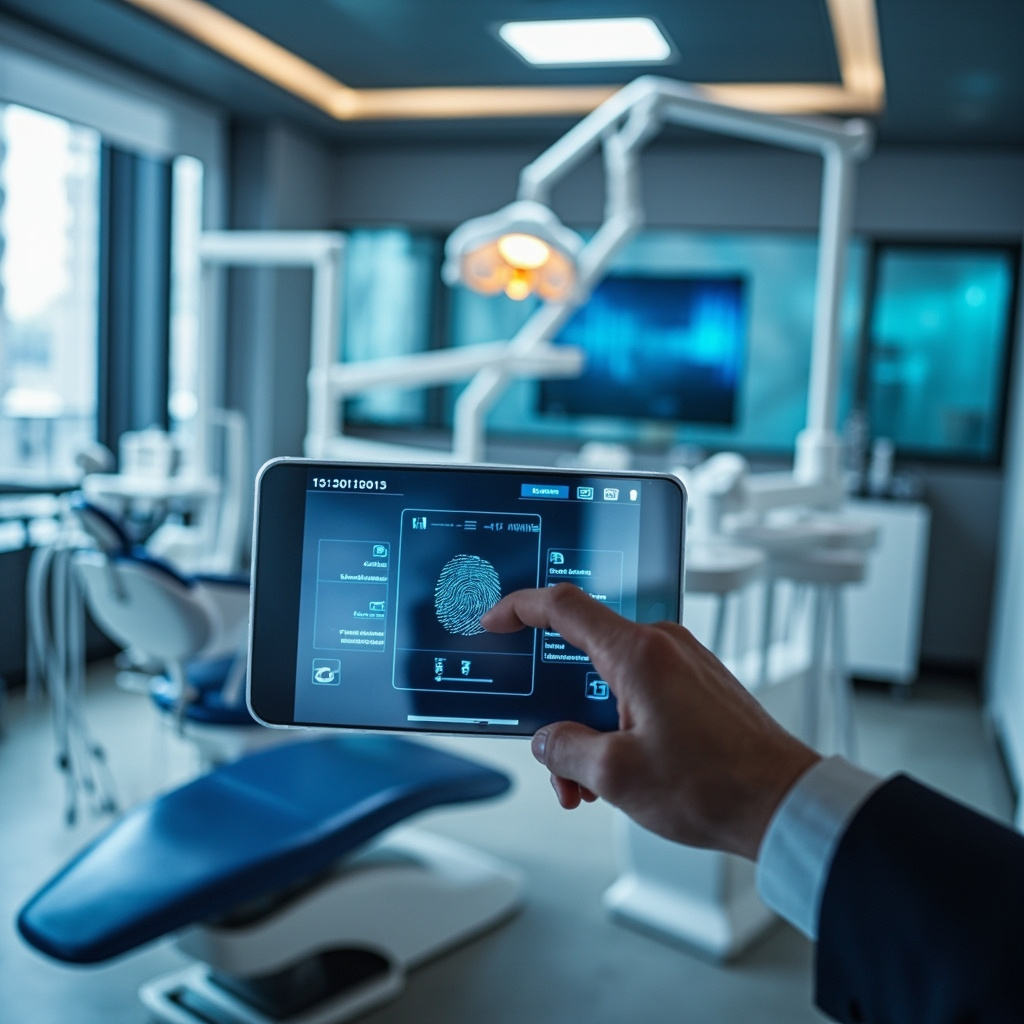
The cybersecurity landscape is undergoing a fundamental transformation in 2026, with passkeys and passwordless authentication finally reaching mainstream adoption. For dental practices handling sensitive patient data and clinical systems, understanding this shift from traditional passwords to FIDO2 WebAuthn standards is not just beneficial—it’s becoming essential for modern security compliance.
The End of the Password Era
Traditional username and password combinations have become the weakest link in dental practice security. With over 61% of data breaches involving compromised credentials according to recent industry reports, the inherent vulnerabilities of shared secrets are driving organizations toward more secure alternatives.

Passkeys, built on the FIDO2 and WebAuthn standards, eliminate the fundamental security flaw of passwords: there is no shared secret to steal, phish, or compromise. Instead of relying on something you know (a password), passkeys leverage cryptographic key pairs—one private key stored securely on your device, and one public key registered with the service.
Why Dental Practices Need Passwordless Authentication
Healthcare environments face unique security challenges that make passkey adoption particularly compelling:
- HIPAA Compliance: Passwordless authentication provides stronger audit trails and eliminates password-related compliance risks
- Workflow Integration: Staff can authenticate to clinical systems using biometrics or hardware keys without interrupting patient care
- Reduced Help Desk Burden: Password resets consume 20-40% of help desk resources in healthcare organizations
- Cross-Device Security: Dental practices using tablets, workstations, and mobile devices benefit from unified authentication
The Technical Foundation: FIDO2 and WebAuthn
The technology powering this revolution combines several key components:
FIDO2: The umbrella standard that encompasses both WebAuthn (for web authentication) and CTAP (Client to Authenticator Protocol) for communication between devices and authenticators.
WebAuthn: The W3C standard that enables web browsers and platforms to communicate with authenticators using public key cryptography.
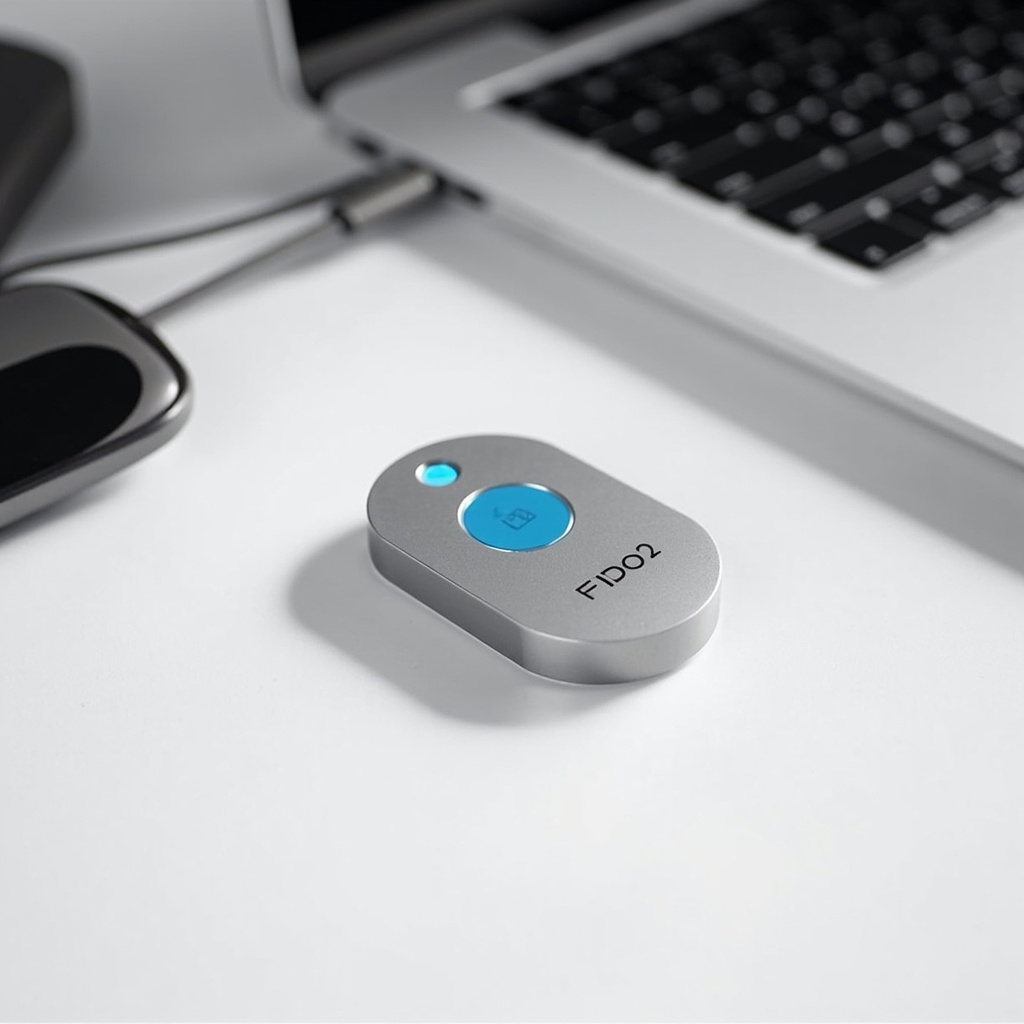
Authenticators: These can be hardware security keys, built-in biometric sensors (fingerprint, face recognition), or software-based authenticators on smartphones and computers.

Implementation Timeline for Dental Practices
Industry experts predict that passkeys will largely replace traditional passwords by late 2026, but dental practices should begin preparation now:
Phase 1: Assessment (Q2 2026)
- Audit current authentication methods across all clinical and administrative systems
- Identify systems that support FIDO2/WebAuthn standards
- Evaluate staff devices for biometric capabilities
Phase 2: Pilot Program (Q3 2026)
- Deploy passkeys for administrative staff on select systems
- Test integration with practice management software
- Train core team on passkey creation and usage
Phase 3: Full Deployment (Q4 2026)
- Roll out passkeys across all supported systems
- Implement hardware security keys for shared workstations
- Establish backup authentication methods
Choosing the Right Authenticator for Your Practice
Different dental practice environments require different authentication approaches:
Personal Devices: Staff smartphones and tablets can use built-in biometric sensors (Touch ID, Face ID, Windows Hello) for seamless authentication.
Shared Workstations: Hardware security keys provide the most secure option for clinical computers accessed by multiple staff members throughout the day.
Mobile Clinical Carts: Tablet-based systems can leverage both biometric authentication and NFC-based security keys for flexible access control.
Security Benefits Beyond Password Elimination
Passkey implementation delivers multiple security advantages specifically valuable to dental practices:
Phishing Resistance: Since passkeys are cryptographically bound to specific domains, they cannot be tricked into working on fraudulent websites—a critical protection against increasingly sophisticated healthcare-targeted phishing campaigns.
Credential Stuffing Protection: With no passwords to steal or reuse, automated attacks using compromised credential lists become ineffective.
Replay Attack Prevention: Each authentication creates a unique cryptographic signature, preventing recorded authentication attempts from being replayed by attackers.
Preparing Your Practice for the Passwordless Future
To ensure smooth transition to passwordless authentication, dental practices should:
- Inventory Current Systems: Create a comprehensive list of all authentication touchpoints in your practice
- Engage with Vendors: Discuss FIDO2 support timelines with your practice management software, imaging system, and EMR providers
- Staff Education: Begin educating team members about the benefits and operation of passwordless authentication
- Backup Planning: Establish contingency procedures for device loss or hardware failure scenarios
- Compliance Review: Work with your compliance officer to understand how passkeys strengthen HIPAA and other regulatory requirements
The passwordless revolution represents more than just a security upgrade—it’s an opportunity to eliminate one of the most frustrating and vulnerable aspects of digital dental practice management. By beginning preparation now, dental practices can position themselves at the forefront of this transformative security evolution while providing better user experiences for their teams and enhanced protection for patient data.
As we move through 2026, the question is not whether to adopt passkeys, but how quickly your practice can implement them to stay ahead of evolving cyber threats and meet the expectations of an increasingly security-conscious healthcare environment.