




March 26, 2026 Critical Langflow AI Vulnerability Exploited Within 20 Hours: Urgent Security Alert for Dental Practices
A critical security vulnerability in the popular Langflow AI platform has been weaponized by cybercriminals within just 20 hours of its public disclosure, demonstrating the dangerous acceleration of modern cyber threats facing dental practices and healthcare organizations.
Critical Langflow Vulnerability Exploited in Record Time
The vulnerability, tracked as CVE-2026-33017 with a CVSS score of 9.3, affects all versions of Langflow prior to 1.9.0.dev8. This critical flaw combines missing authentication with code injection capabilities, enabling attackers to achieve remote code execution on vulnerable systems.
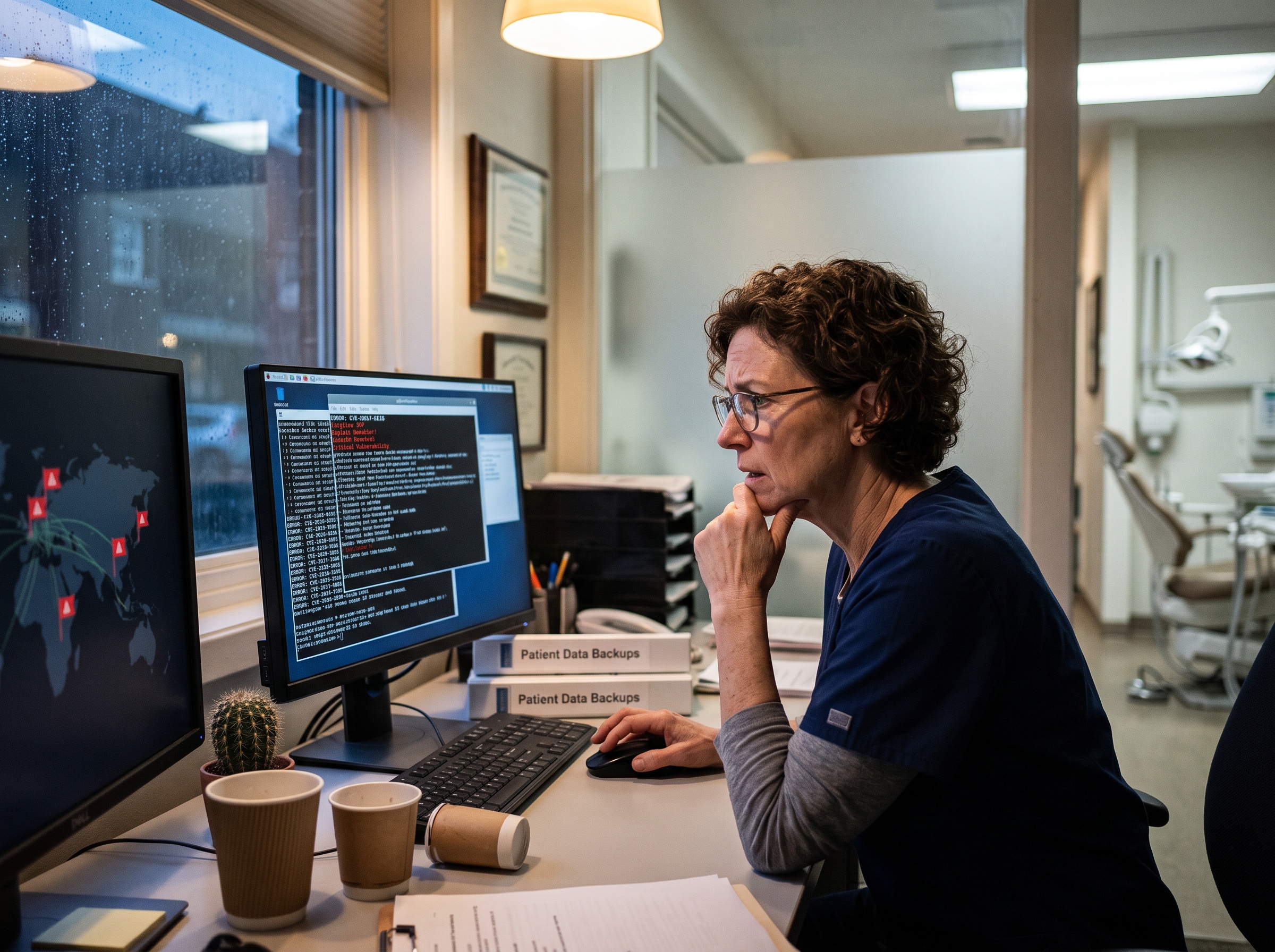
According to Langflow’s security advisory, the vulnerability exists in the POST /api/v1/build_public_tmp/{flow_id}/flow endpoint, which allows building public flows without requiring authentication. When attackers supply malicious data parameters, the endpoint executes arbitrary Python code with zero sandboxing, resulting in immediate system compromise.
Unprecedented Speed of Exploitation
Cloud security firm Sysdig reported observing the first exploitation attempts targeting CVE-2026-33017 within 20 hours of the advisory’s publication on March 17, 2026. Remarkably, no public proof-of-concept code existed at the time – attackers developed working exploits directly from the advisory description.
Security researcher Aviral Srivastava, who discovered the flaw, described the exploitation as “extremely easy,” requiring only a single HTTP request with malicious Python code in the JSON payload to achieve immediate remote code execution.
Critical Implications for Dental Practice Security

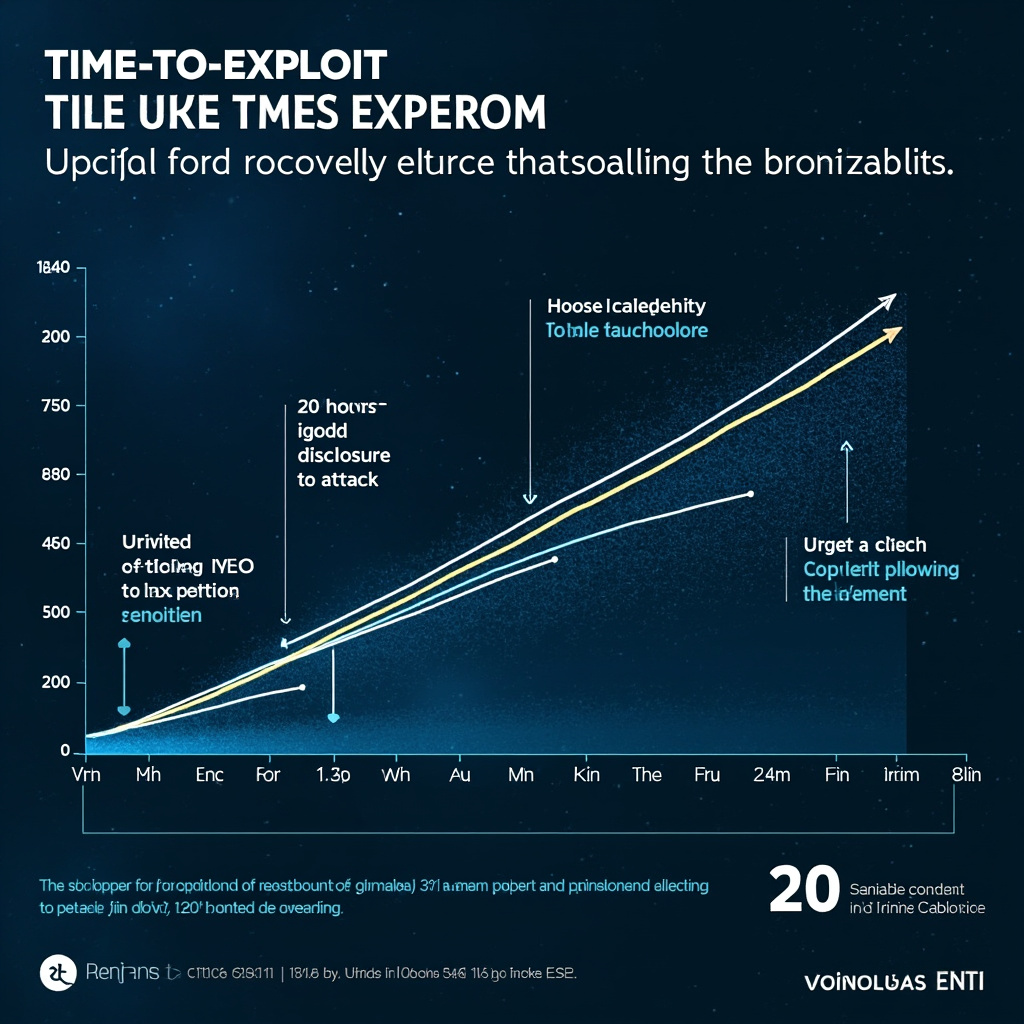
This incident highlights a disturbing trend that should alarm dental practice administrators and IT managers. The median time-to-exploit has shrunk dramatically from 771 days in 2018 to just hours in 2026, while most organizations require approximately 20 days to deploy patches.
For dental practices increasingly adopting AI-powered tools for patient management, imaging analysis, and practice optimization, this vulnerability demonstrates the critical importance of:
- Immediate patch deployment when security updates are released
- Network segmentation to isolate AI platforms from sensitive patient data
- Continuous monitoring for unusual network activity and unauthorized access attempts
- Regular security audits of all AI and cloud-based systems
Attack Methods and Data Exfiltration
Threat actors have demonstrated sophisticated preparation in exploiting CVE-2026-33017. Sysdig researchers observed attackers moving from automated scanning to deploying custom Python scripts that extract sensitive information including:
- System passwords and user credentials from /etc/passwd
- Environment variables containing API keys and database connections
- Configuration files and database contents
- .env files containing sensitive application secrets
The attackers also deployed next-stage payloads hosted on compromised infrastructure, suggesting well-coordinated campaigns targeting AI platforms across multiple industries.
CISA Adds Vulnerability to Known Exploited List
The severity and active exploitation of CVE-2026-33017 prompted the U.S. Cybersecurity and Infrastructure Security Agency (CISA) to add it to their Known Exploited Vulnerabilities catalog on March 25, 2026. Federal agencies must apply fixes by April 8, 2026.
This official recognition underscores the critical nature of the threat and should serve as a wake-up call for private sector organizations, including dental practices, to prioritize immediate patching of AI and cloud-based systems.
Immediate Actions Required
Dental practices using AI platforms should immediately:
- Audit all AI and cloud-based systems for vulnerabilities and available security updates
- Update Langflow installations to version 1.9.0.dev8 or later if in use
- Rotate all API keys and database passwords on publicly exposed AI systems as a precautionary measure
- Monitor network logs for unusual outbound connections, particularly to unknown IP addresses
- Implement firewall rules or reverse proxy authentication to restrict access to AI platforms
- Review incident response procedures to ensure rapid response to future vulnerability disclosures
The New Reality of Cybersecurity
The CVE-2026-33017 incident represents what security experts describe as “the new normal” – critical vulnerabilities in popular open-source tools being weaponized within hours of disclosure, often before public proof-of-concept code becomes available.
As Rapid7’s 2026 Global Threat Landscape Report notes: “Threat actors are monitoring the same advisory feeds that defenders use, and they are building exploits faster than most organizations can assess, test, and deploy patches.”
For dental practices, this reality demands a fundamental shift from reactive to proactive security postures, with emphasis on automated patch management, continuous monitoring, and rapid incident response capabilities.
Conclusion
The rapid exploitation of CVE-2026-33017 serves as a stark reminder that modern cyber threats move at machine speed while many organizations still operate on human timescales. Dental practices must urgently reassess their vulnerability management processes, prioritizing automated patching systems and enhanced monitoring capabilities to protect patient data and practice operations in this accelerated threat landscape.
Related Reading
- Critical FortiClient EMS Zero-Day CVE-2026-35616 Actively Exploited: Urgent Security Alert for Dental Practices
- Critical Weaver E-cology CVE-2026-22679 Vulnerability: Urgent Security Alert for Dental Practices Using Enterprise Collaboration Platforms
- ComfyUI AI Platform Exploited in Large-Scale Cryptomining Botnet Campaign: Critical Warning for Dental Practices Using AI Tools