



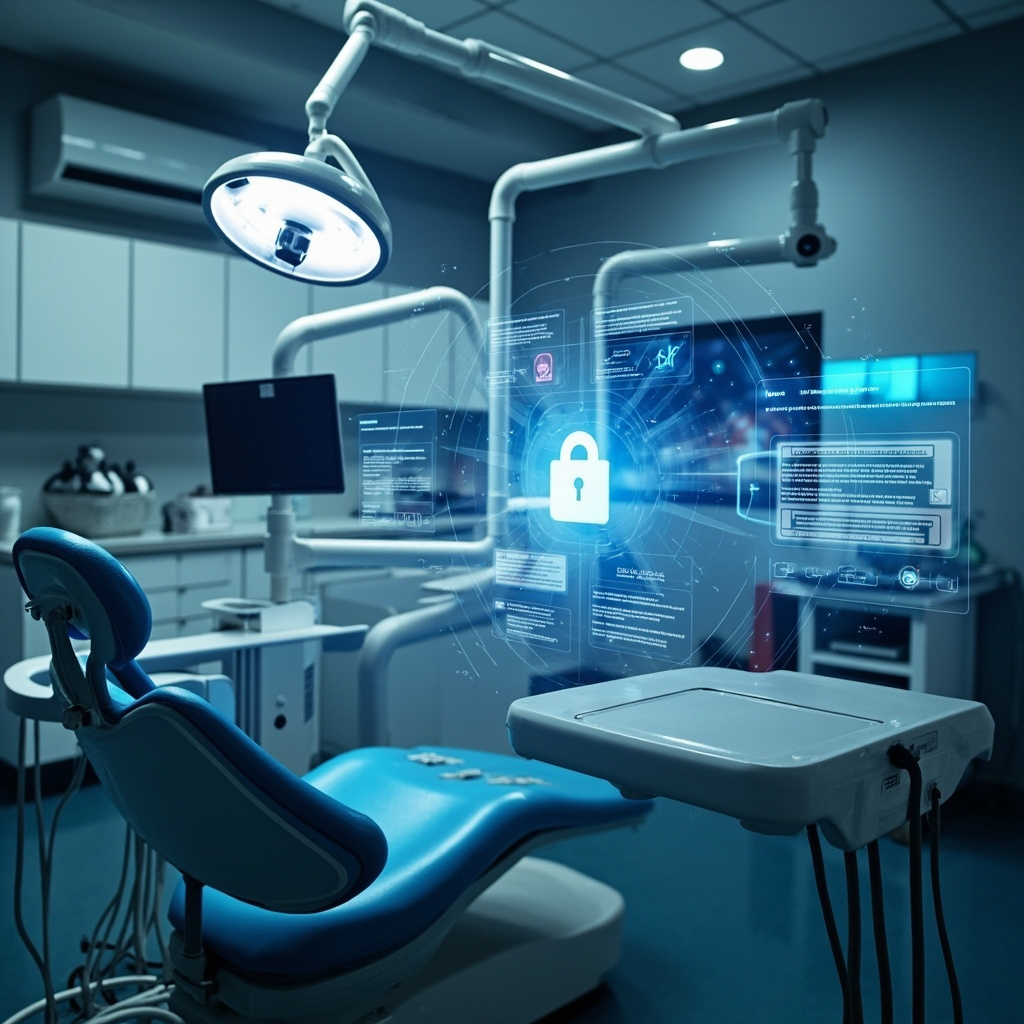
03 Apr Wireless Medical Device Vulnerabilities Expose Dental Practices to Man-in-the-Middle Attacks
Healthcare IoT devices are becoming prime targets for cybercriminals, with Bluetooth-enabled medical equipment in dental practices particularly vulnerable to man-in-the-middle (MitM) attacks that can intercept patient data and compromise practice operations.
The Growing Threat to Wireless Medical Devices
Recent cybersecurity research reveals that wireless medical devices, especially those relying on Bluetooth communication protocols, present significant security gaps that attackers can exploit. These vulnerabilities are particularly concerning for dental practices that increasingly depend on connected diagnostic equipment, patient monitoring systems, and digital imaging devices.
The integration of IoT technology in healthcare has created new attack vectors that cybercriminals are actively exploiting. Man-in-the-middle attacks on Bluetooth-enabled devices allow attackers to intercept data transmissions between medical equipment and practice management systems, potentially exposing sensitive patient information and disrupting clinical workflows.
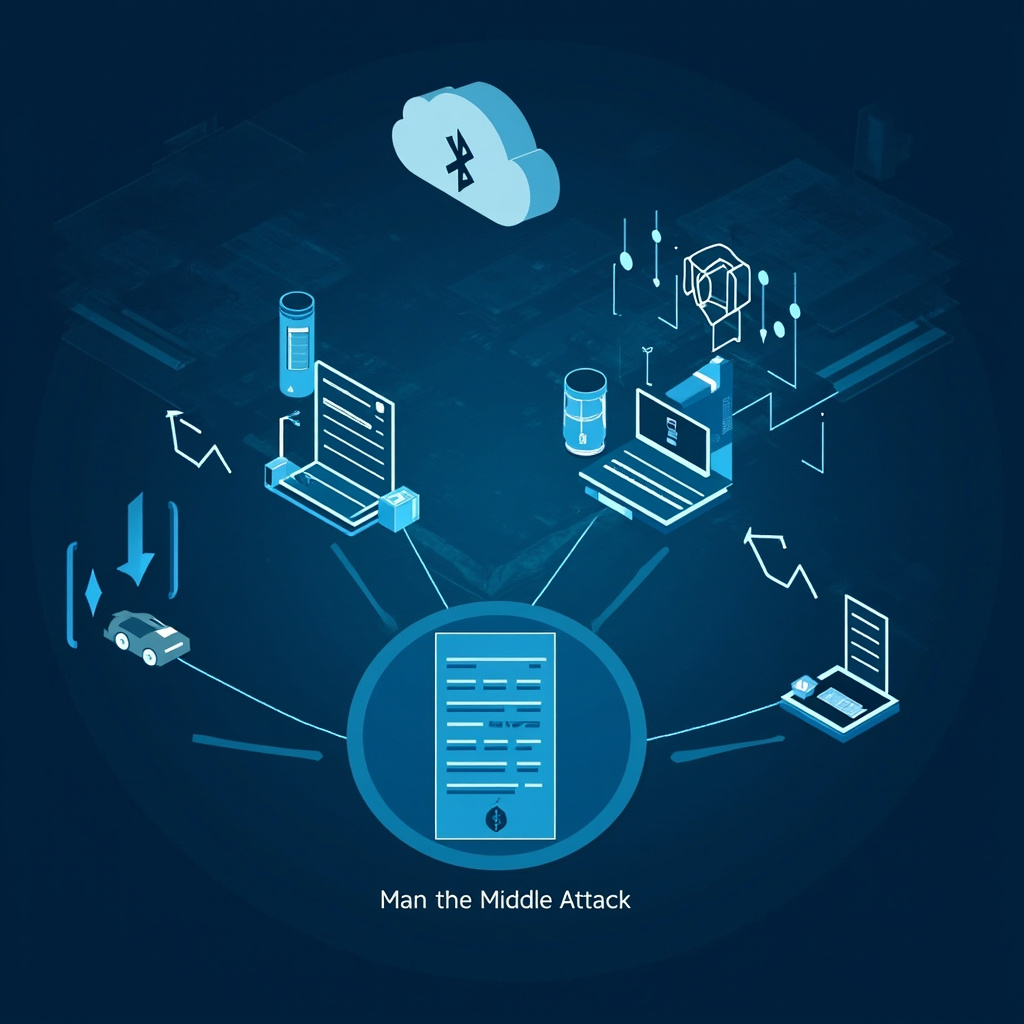
How Bluetooth Vulnerabilities Compromise Dental Practice Security
Bluetooth-enabled devices in dental practices are vulnerable to several attack methods:
- Data Interception: Attackers can position themselves between wireless devices and practice systems to capture transmitted data, including patient records, diagnostic results, and authentication credentials.
- Device Impersonation: Malicious actors can masquerade as legitimate medical devices to gain unauthorized access to practice networks and systems.
- Eavesdropping: Unencrypted Bluetooth communications can be monitored to gather sensitive information about patients and practice operations.
- Service Disruption: Attacks can interfere with device functionality, causing diagnostic equipment failures or data corruption during critical procedures.
Common Vulnerable Devices in Dental Practices
Several categories of dental equipment are particularly susceptible to wireless attacks:
- Digital radiography systems with wireless sensors
- Bluetooth-enabled intraoral cameras
- Wireless patient monitoring devices
- Connected practice management terminals
- Mobile diagnostic equipment
Immediate Security Measures for Dental Practices
Dental practices must implement comprehensive security strategies to protect against wireless device vulnerabilities:
Device-Level Protections
Ensure all Bluetooth-enabled medical devices are configured with the strongest available encryption protocols. Regularly update device firmware and implement device-specific security patches as soon as they become available from manufacturers.

Network Segmentation
Isolate medical devices on dedicated network segments to prevent lateral movement in case of compromise. Implement network access controls that restrict device-to-device communication and monitor all wireless traffic for suspicious activity.
Authentication and Access Controls
Deploy strong authentication mechanisms for all wireless devices, including certificate-based authentication where possible. Regularly rotate access credentials and implement role-based access controls to limit device permissions.
Long-Term Strategy for IoT Medical Device Security
Developing a comprehensive cybersecurity framework for wireless medical devices requires ongoing attention to emerging threats and evolving best practices. Practices should establish partnerships with cybersecurity professionals who understand healthcare-specific risks and regulatory requirements.
Regular security assessments should include wireless device inventories, vulnerability scans, and penetration testing of Bluetooth-enabled systems. Staff training programs must address the unique risks associated with wireless medical devices and proper handling of connected equipment.
Compliance and Risk Management
HIPAA compliance requirements extend to all connected devices that process or transmit protected health information. Practices must document their wireless device security measures, conduct regular risk assessments, and maintain incident response plans specific to IoT device compromises.
Conclusion
As dental practices continue to adopt advanced IoT medical devices, the security risks associated with wireless communications cannot be ignored. Man-in-the-middle attacks targeting Bluetooth-enabled equipment represent a clear and present danger to patient privacy and practice operations.
Implementing robust security measures for wireless medical devices is not just a technical necessity—it is a fundamental requirement for maintaining patient trust and regulatory compliance in the modern healthcare environment. Dental practices that proactively address these vulnerabilities will be better positioned to leverage the benefits of connected medical technology while protecting their patients and their business.