




March 22, 2026 Oracle Issues Emergency Patch for Critical CVE-2026-21992 RCE Vulnerability in Identity Manager
Oracle has released an emergency out-of-band security update addressing a critical remote code execution vulnerability in Oracle Identity Manager and Oracle Web Services Manager. The vulnerability, tracked as CVE-2026-21992, carries a maximum CVSS score of 9.8 out of 10.0 and requires immediate attention from enterprise security teams.
Critical Vulnerability Details
CVE-2026-21992 represents one of the most severe vulnerabilities discovered in Oracle infrastructure components this year. The flaw allows unauthenticated attackers to execute arbitrary code remotely via HTTP without requiring any user interaction or special privileges.

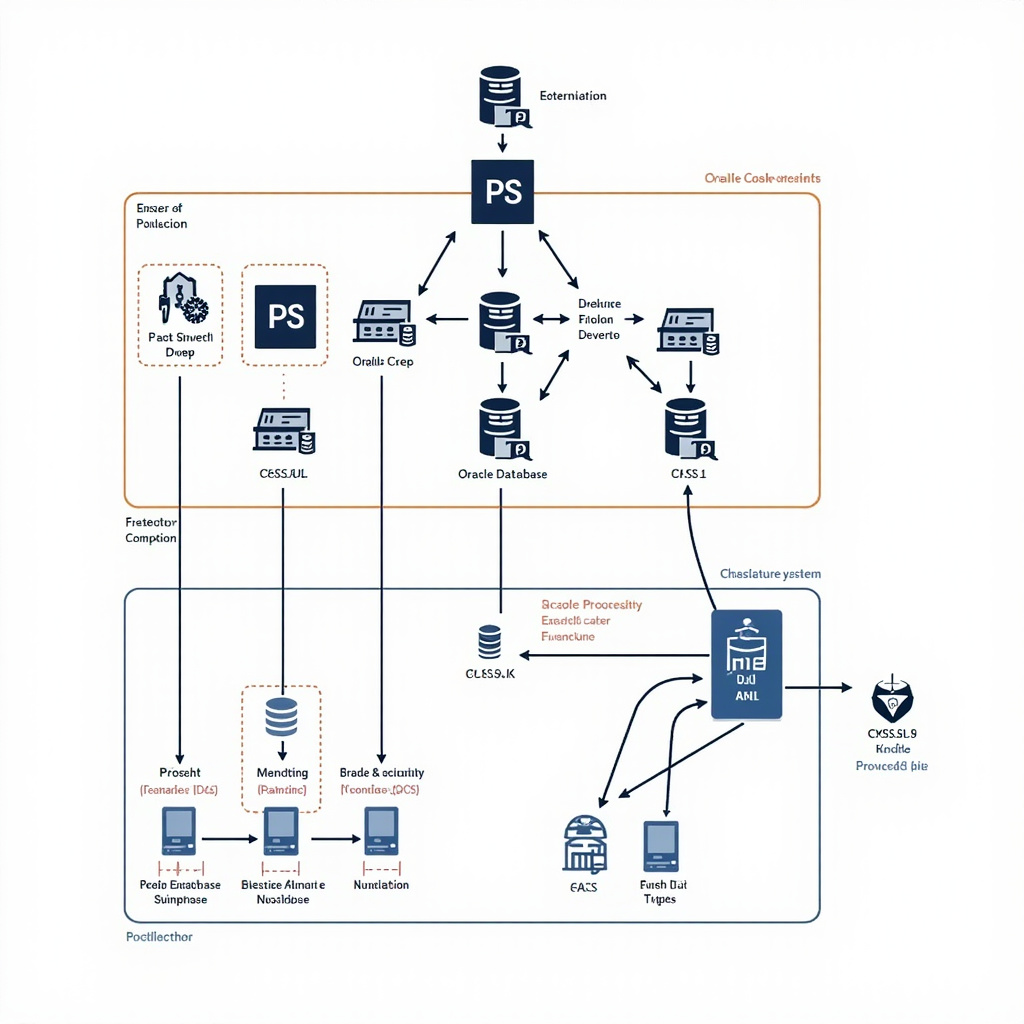
The vulnerability affects two critical Oracle Fusion Middleware components:
- Oracle Identity Manager versions 12.2.1.4.0 and 14.1.2.1.0
- Oracle Web Services Manager versions 12.2.1.4.0 and 14.1.2.1.0
According to Oracle’s security advisory, successful exploitation could result in complete system compromise, allowing attackers to gain root-level access to affected servers.
Immediate Action Required
The severity of this vulnerability cannot be overstated. With a CVSS score of 9.8, CVE-2026-21992 ranks among the most critical security flaws ever discovered in Oracle infrastructure products. The combination of remote exploitation capability without authentication makes this vulnerability particularly dangerous in enterprise environments.
Security researchers have noted similarities to previous Oracle vulnerabilities that were quickly weaponized by threat actors. The unauthenticated nature of the exploit means that any internet-facing Oracle Identity Manager or Web Services Manager instance is potentially vulnerable to immediate compromise.
Impact on Dental Practice Security
Dental practices utilizing Oracle-based systems for patient management, billing, or practice administration face significant risks from this vulnerability. Many dental software vendors rely on Oracle infrastructure components, potentially exposing sensitive patient data and HIPAA-protected information.

Patch Management Recommendations
Oracle strongly recommends immediate deployment of the emergency patch across all affected systems. IT administrators should prioritize this update due to the critical nature of the vulnerability and the potential for widespread exploitation.
Patching Timeline
- Immediate (0-24 hours): Identify all Oracle Identity Manager and Web Services Manager installations
- Priority (24-48 hours): Apply emergency patches to internet-facing systems
- Standard (48-72 hours): Complete patching of all internal systems
- Verification (72+ hours): Confirm patch deployment and system integrity
Organizations should also implement network segmentation and access controls to limit exposure while patches are being deployed. Monitoring systems should be configured to detect any suspicious activity that could indicate exploitation attempts.
Broader Security Implications
This vulnerability highlights the ongoing challenges facing enterprise IT security teams. The discovery of CVE-2026-21992 follows a pattern of critical vulnerabilities in widely-deployed infrastructure components that require immediate emergency response.
For dental practices and healthcare organizations, this incident underscores the importance of maintaining robust patch management procedures and security monitoring capabilities. The potential for patient data exposure through compromised Oracle systems presents significant HIPAA compliance risks.
Long-term Security Strategy
Beyond immediate patching, organizations should evaluate their overall security posture and incident response capabilities. Regular security assessments, vulnerability scanning, and penetration testing can help identify potential weaknesses before they are exploited by malicious actors.
The rapid discovery and patching of CVE-2026-21992 demonstrates the critical importance of maintaining current security updates across all enterprise infrastructure components. Organizations that delay patching face significant risks of data breach, system compromise, and regulatory penalties.
Related Reading
- A Forged Login Walks Straight Into SharePoint: What the Actively Exploited CVE-2026-55040 Auth Bypass Means for Dental Practices
- A Perfect 10, and Nothing to Patch: What the Exploited Entra ID Flaw (CVE-2026-69836) Really Asks of Your Dental Practice
- Critical Weaver E-cology CVE-2026-22679 Vulnerability: Urgent Security Alert for Dental Practices Using Enterprise Collaboration Platforms