




10 Apr Critical Docker CVE-2026-34040 Authorization Bypass Vulnerability: Immediate Security Alert for Dental Practices
A high-severity vulnerability in Docker Engine has been disclosed that could allow attackers to bypass authorization plugins and gain unauthorized host access. CVE-2026-34040, with a CVSS score of 8.8, poses significant risks to dental practices using containerized applications for patient management, imaging systems, or practice management software.
Understanding the Docker Authorization Bypass Vulnerability
The vulnerability stems from an incomplete fix for a previous maximum-severity issue (CVE-2024-41110). Docker’s authorization plugin system, designed to control access to Docker Engine operations, can be circumvented under specific circumstances, effectively giving attackers elevated privileges on the host system.
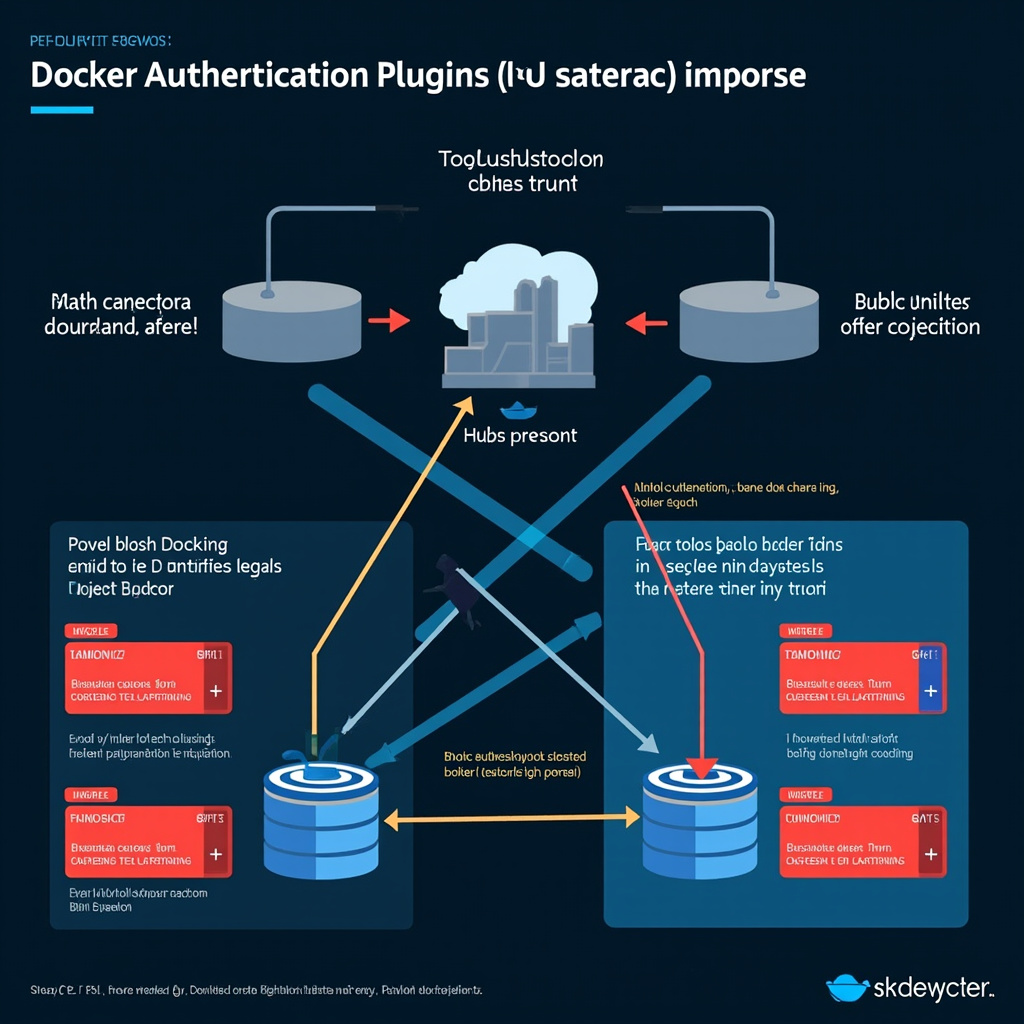
This bypass mechanism allows threat actors to execute commands that should be restricted by authorization policies. For dental practices, this could mean unauthorized access to sensitive patient data, practice management databases, or imaging system controls housed within Docker containers.
Critical Impact on Dental Practice Infrastructure
Dental practices increasingly rely on containerized applications for:
- Patient Management Systems: Electronic health records and scheduling platforms
- Digital Imaging: DICOM viewers and radiography processing tools
- Practice Analytics: Business intelligence and reporting containers
- Backup Solutions: Automated data protection services
- Communication Platforms: Patient portal and messaging systems
A successful exploitation could compromise any of these critical systems, leading to patient data breaches, HIPAA violations, and potential practice shutdowns due to regulatory enforcement.
Immediate Action Requirements
Dental practice IT administrators must take the following steps immediately:
1. Inventory Docker Deployments
Identify all systems running Docker Engine in your practice. This includes dedicated servers, workstations, and any third-party solutions that may use containerization behind the scenes.
2. Check Docker Engine Versions
Verify your Docker Engine version using the command docker --version. All versions prior to the latest security patches are potentially vulnerable.
3. Apply Security Updates
Update Docker Engine immediately to the latest patched version. Coordinate with your practice management software vendors to ensure compatibility before applying updates to production systems.

4. Review Authorization Configurations
If your practice uses Docker authorization plugins, review their configurations to ensure they’re properly implemented and haven’t been bypassed.
Enhanced Security Recommendations
Beyond immediate patching, dental practices should implement these security measures:
- Container Isolation: Ensure sensitive containers run with minimal privileges and restricted network access
- Regular Security Audits: Conduct monthly reviews of Docker configurations and container security postures
- Access Monitoring: Implement logging and monitoring for all Docker operations, especially privileged commands
- Network Segmentation: Isolate Docker hosts from patient data networks using properly configured firewalls
- Backup Validation: Verify that containerized backup solutions maintain data integrity and aren’t compromised
Compliance and Risk Management
This vulnerability has significant implications for HIPAA compliance. Dental practices must document their response to this security issue, including:
- Assessment of affected systems and potential data exposure
- Timeline of patch deployment and security remediation
- Review of access logs for signs of unauthorized activity
- Updated risk assessment documentation reflecting containerization security
Vendor Communication Strategy
Contact your technology vendors immediately to:
- Confirm their products’ Docker Engine versions and update schedules
- Understand any custom authorization plugins they may have implemented
- Request emergency security patches for affected systems
- Verify that their containers follow security best practices
Conclusion
CVE-2026-34040 represents a serious threat to dental practices using Docker-based infrastructure. The authorization bypass capability could provide attackers with comprehensive access to containerized systems containing sensitive patient data and critical practice operations.
Immediate action is required to patch affected systems and review security configurations. Dental practices should also use this incident as an opportunity to strengthen their overall container security posture and ensure compliance with healthcare data protection regulations.
For assistance with Docker security assessment and remediation, contact Compudent Systems at (905) 946-8807. Our cybersecurity specialists can help evaluate your containerized infrastructure and implement comprehensive protection measures tailored to dental practice requirements.