




16 Mar Critical March 2026 Patch Tuesday Vulnerabilities Target Dental Practice Security
Microsoft’s March 2026 Patch Tuesday has delivered critical security updates that demand immediate attention from dental practices and healthcare organizations. Two zero-day vulnerabilities and 79 total security fixes highlight the ongoing importance of maintaining robust cybersecurity defenses in medical environments.
Critical Zero-Day Vulnerabilities Require Urgent Action
This month’s update addresses two significant zero-day vulnerabilities that pose serious risks to business operations. The first, CVE-2026-21262, affects Microsoft SQL Server with a CVSS score of 8.8 out of 10. This privilege escalation vulnerability allows attackers with initial access to quietly promote themselves to full database administrator status.
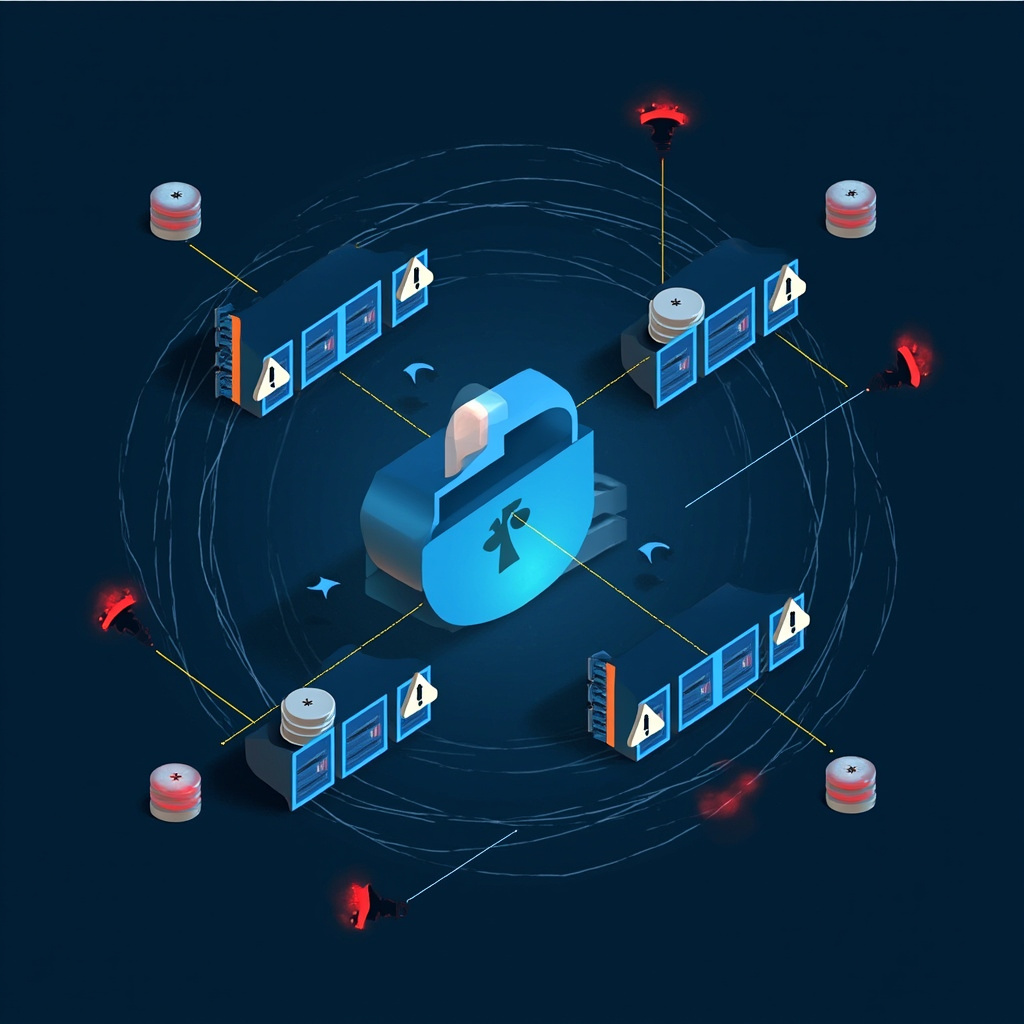
For dental practices using SQL Server-based practice management systems, this vulnerability is particularly concerning. An attacker who gains initial access through phishing or other means could exploit this flaw to gain complete control over patient databases, billing systems, and appointment records.
The second zero-day, CVE-2026-26127, targets Microsoft’s .NET platform with a CVSS score of 7.5. This denial-of-service vulnerability can cause .NET applications to crash remotely, potentially disrupting critical dental software applications that rely on the .NET framework.
Impact on Dental Practice Operations
Dental practices face unique cybersecurity challenges due to their reliance on specialized software systems and the sensitive nature of patient health information. These vulnerabilities could enable attackers to:
- Access patient records: The SQL Server vulnerability could provide unauthorized access to complete patient databases
- Disrupt appointment systems: .NET-based scheduling applications could be crashed remotely
- Compromise billing data: Financial information and insurance records stored in affected databases become accessible
- Violate HIPAA compliance: Any breach of patient health information could result in significant regulatory penalties
Additional Office Vulnerabilities
The March update also addresses multiple Microsoft Office vulnerabilities, including two remote code execution flaws (CVE-2026-26110 and CVE-2026-26113) that can be exploited through the preview pane. Dental practices frequently handle Office documents for insurance claims, treatment plans, and administrative correspondence, making these fixes essential.
Particularly noteworthy is CVE-2026-26144, an Excel information disclosure vulnerability that could be exploited via Microsoft Copilot. As AI integration becomes more common in healthcare workflows, this vulnerability highlights the need for careful consideration of AI tool security.
Immediate Action Required
Dental practices should prioritize these updates immediately. The installation process is straightforward:
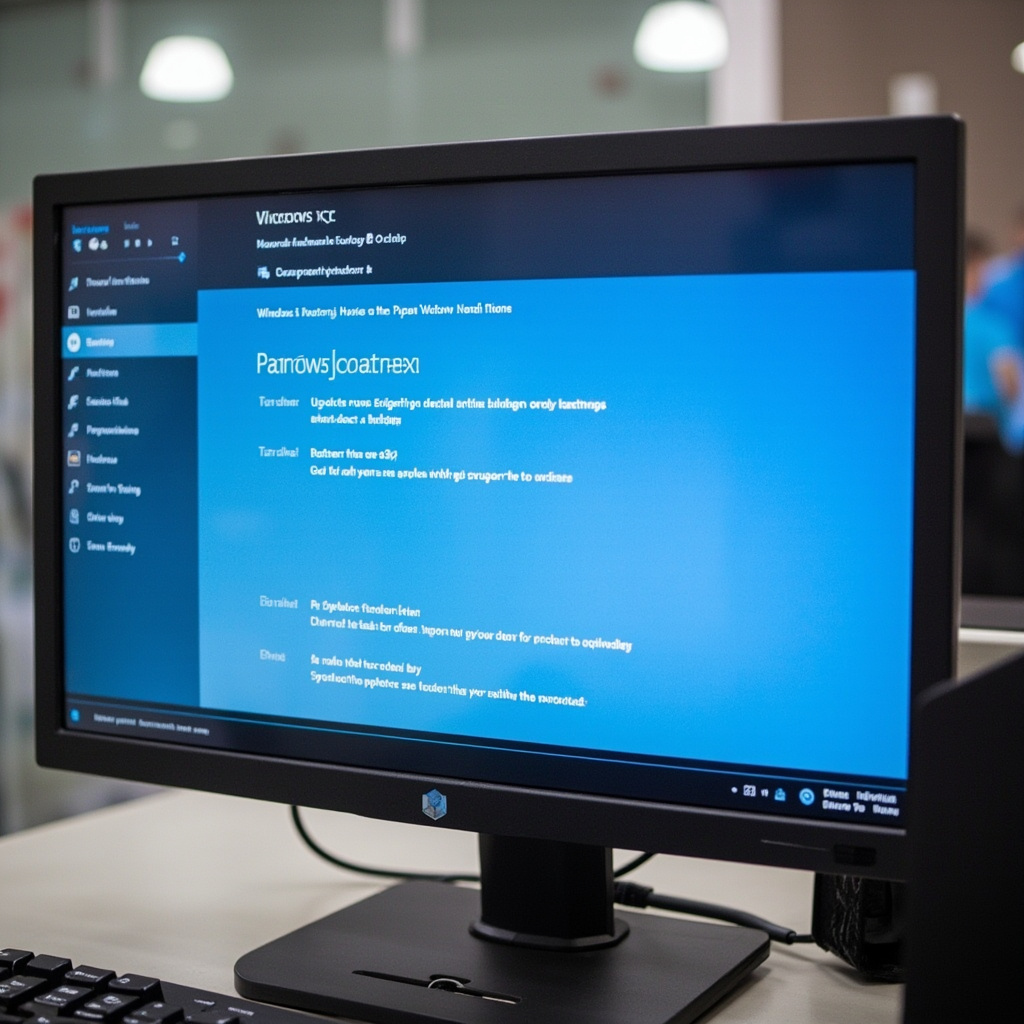
- Access Windows Update: Navigate to Settings > Windows Update
- Check for updates: Click “Check for updates” to download the latest patches
- Schedule installation: Plan the update during off-hours to minimize patient care disruption
- Restart systems: Complete the installation with necessary system restarts
- Verify installation: Confirm all systems show “You’re up to date” status
Long-Term Security Considerations
This patch release serves as a reminder that cybersecurity in dental practices requires ongoing attention. Beyond immediate patching, practices should consider:
- Regular backup procedures: Ensure patient data can be recovered in case of security incidents
- Staff training programs: Educate team members about phishing and social engineering attacks
- Network segmentation: Isolate critical systems from general internet access
- Incident response planning: Develop procedures for responding to potential breaches
The rapid pace of cybersecurity threats targeting healthcare organizations makes proactive security measures essential. Dental practices that prioritize timely updates and comprehensive security strategies will be better positioned to protect patient information and maintain operational continuity in an increasingly connected healthcare environment.